
Bath is one of the most beautiful and historic cities in England. Famous for its ancient Roman Baths, elegant Georgian architecture, natural thermal waters and literary connections, the city is an excellent choice for a UK day trip, weekend break or longer South West England itinerary.
Whether you’re visiting from overseas or planning a short UK getaway, the best things to do in Bath range from exploring world-famous historic attractions to relaxing in a rooftop thermal spa, wandering through Georgian streets and enjoying the city’s cafés, restaurants and riverside walks.
Bath is also relatively compact, which means many of its most important sights can be explored on foot. That makes it particularly convenient for first-time visitors who want to experience a lot without spending their trip travelling between attractions.
Quick Answer: What Are the Best Things to Do in Bath?
If you’re short on time, start with Bath’s most famous sights and experiences. These are the attractions and activities I’d prioritise on a first visit:
If you’re visiting for only one day, focus on the Roman Baths, Bath Abbey, Pulteney Bridge, the Royal Crescent and the historic centre. With two days, you can slow down and add the thermal spa, museums, Prior Park and a guided experience.
Not sure what to prioritise? Use this simple plan based on how much time you have.
1. Visit the Roman Baths
The Roman Baths are the attraction that should be at the top of almost every first-time visitor’s list. Built around Bath’s natural hot springs, this remarkably preserved complex offers a fascinating look at how people used the thermal waters almost 2,000 years ago.
Inside, you’ll see the Great Bath, ancient remains, Roman artefacts and the remains of the temple and bathing complex. The museum helps bring the history to life and explains why Bath became such an important Roman settlement.
Even if you’re not usually interested in ancient history, the Roman Baths are worth visiting because they provide the historical context behind much of modern Bath.
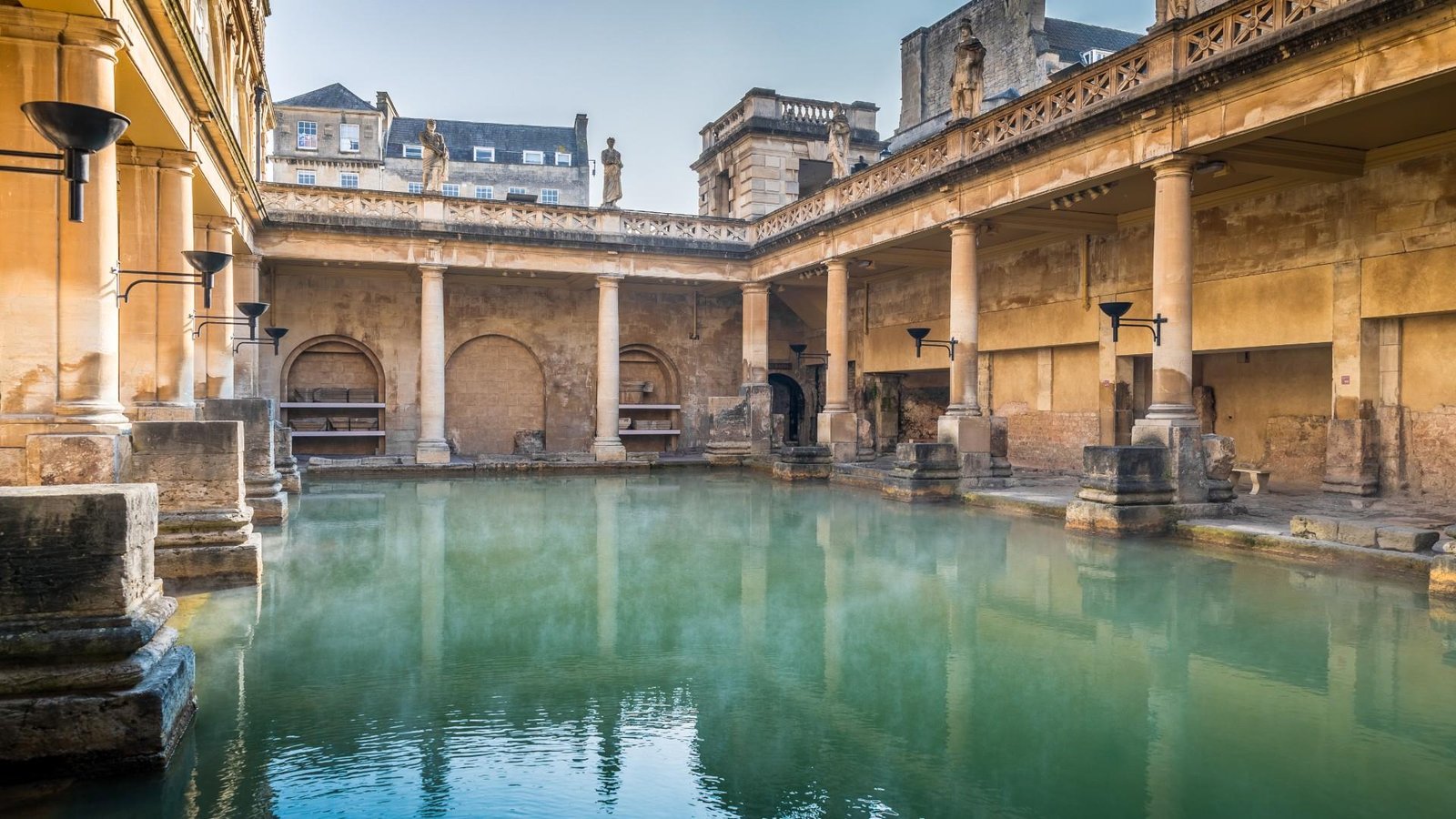 Image Credits: Wikipedia
2. Explore Bath Abbey
Standing beside the Roman Baths, Bath Abbey is one of the city’s most recognisable landmarks. Its Gothic architecture, impressive stained-glass windows and historic interior make it worth adding to your Bath itinerary.
The abbey has a long history, with the present building dating largely from the late medieval period. Inside, look up at the impressive fan vaulting and take time to explore the quieter corners of the building.
Depending on availability, visitors may also be able to take a tower tour for views across Bath.
3. Walk Across Pulteney Bridge
Pulteney Bridge is one of Bath’s most photographed landmarks. Built across the River Avon, the historic bridge is unusual because it has shops built along both sides, giving it a distinctive appearance.
Don’t simply cross the bridge and leave. Walk down towards the river and Bath Weir for some of the best views of the bridge and surrounding buildings.
This is also one of the easiest attractions to include in a walking route around Bath because it sits close to the city centre and other major sights.
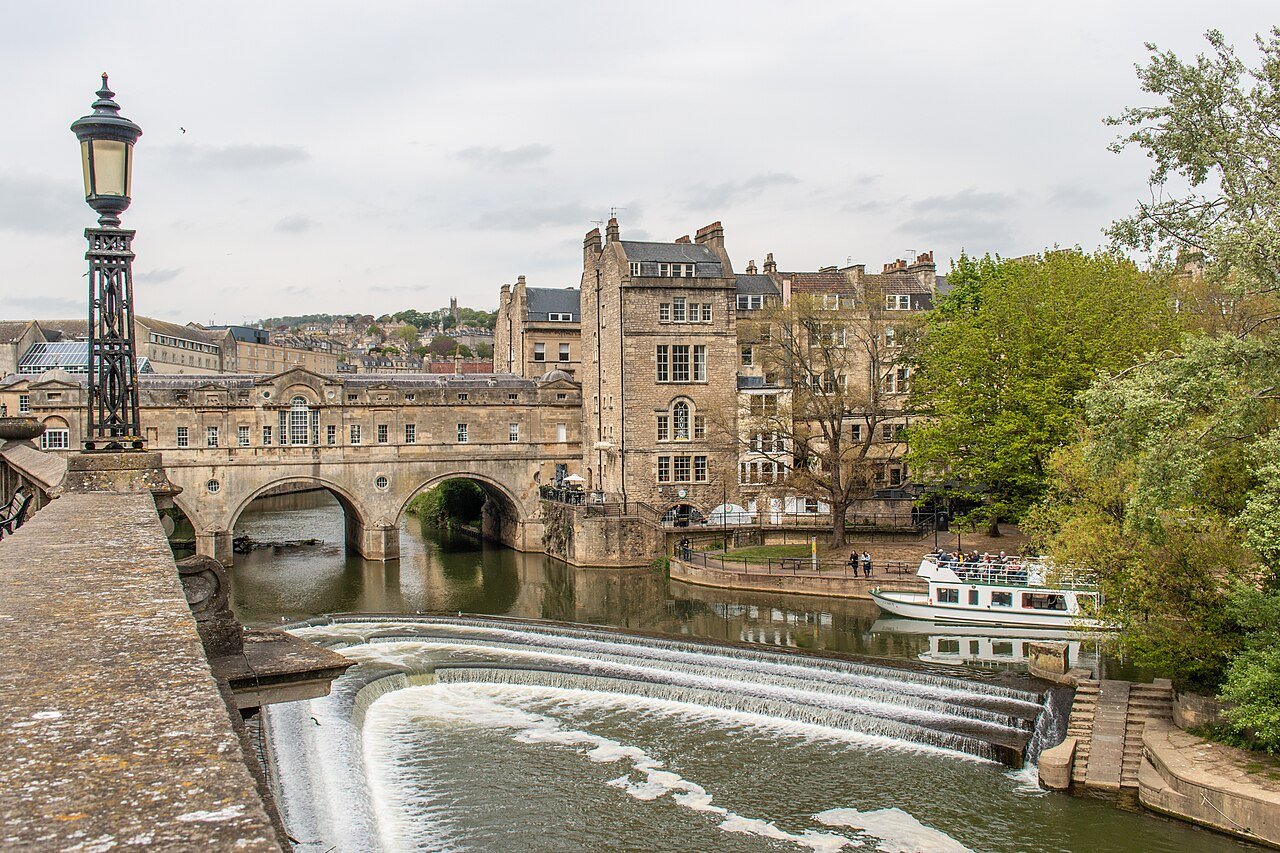 Image Credits: Wikipedia
4. Relax at Thermae Bath Spa
Bath’s history is closely connected with its natural thermal waters, and Thermae Bath Spa offers visitors the chance to experience them in a modern setting.
The spa is particularly popular for its rooftop thermal pool, where you can enjoy views across Bath while relaxing in naturally warm mineral-rich waters.
This is an especially appealing addition to a weekend trip. After spending a day walking around historic Bath, a spa session can turn a sightseeing-heavy itinerary into a more relaxed break.
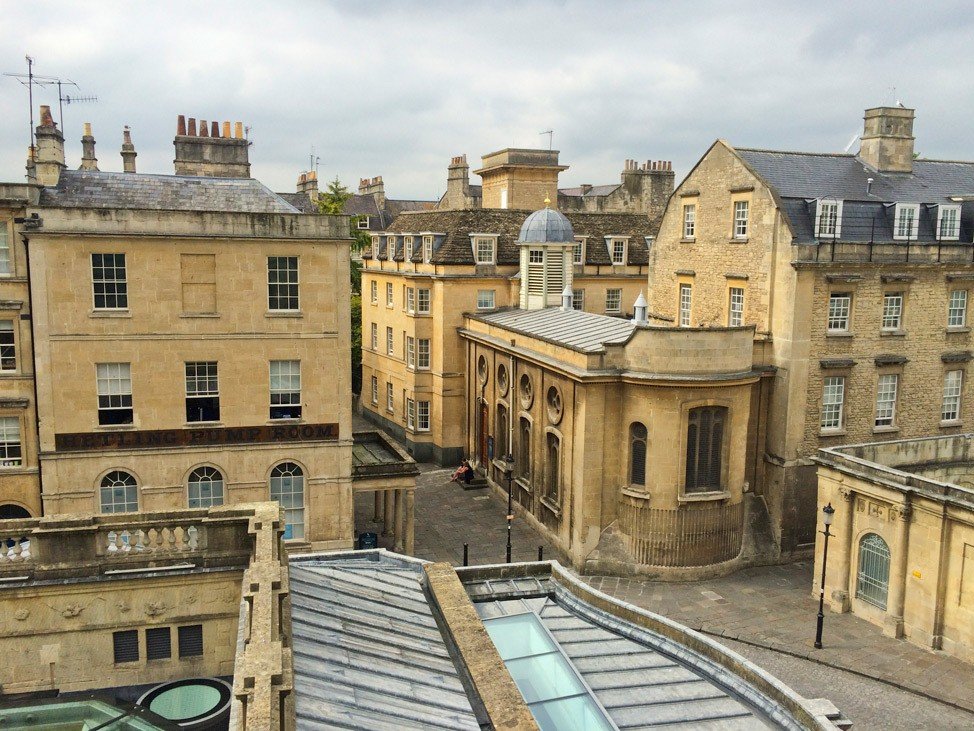 Image Credits: Wikipedia
5. See the Royal Crescent
The Royal Crescent is one of Bath’s defining architectural landmarks. The sweeping Georgian terrace overlooks Royal Victoria Park and demonstrates the elegant architectural style for which the city is famous.
Even if you don’t go inside any of the buildings, walking along the crescent and viewing it from the park is worthwhile.
Architecture lovers can also visit Number 1 Royal Crescent, a restored Georgian townhouse that provides a glimpse into life during the period.
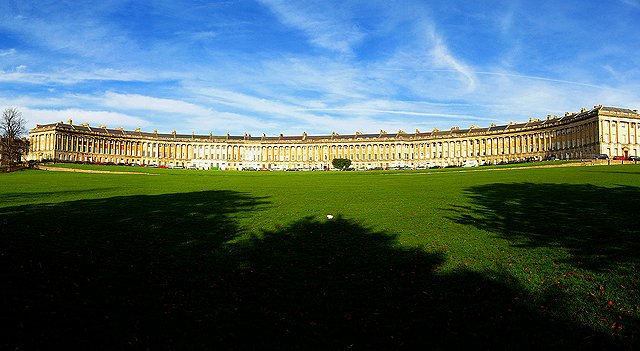 Image Credits: Wikipedia
6. Discover The Circus
The Circus is another masterpiece of Georgian Bath. Designed by architect John Wood the Elder, the circular arrangement of elegant townhouses creates one of the city’s most distinctive architectural spaces.
The Circus is close to the Royal Crescent, so the two sights can easily be combined into one walking route.
7. Visit the Jane Austen Centre
Bath has a strong connection with Jane Austen, who lived in the city during the early 19th century and used Bath as a setting in several of her novels.
The Jane Austen Centre explores the author’s connection with Bath and the Regency period. It is particularly appealing to visitors who enjoy literary history or want to experience another side of the city beyond its Roman and Georgian heritage.
The centre is located close to The Circus and Royal Crescent, making it easy to include during a walk through the Georgian heart of Bath.
8. Wander Through Bath’s Georgian Streets
One of the best things to do in Bath doesn’t require a ticket at all: simply walk around the historic centre.
Streets around Milsom Street, Gay Street, the Royal Crescent and Pulteney Bridge are filled with elegant Georgian buildings, independent shops, cafés and restaurants.
This is where Bath really rewards travellers who don’t try to rush from attraction to attraction. Leave some time in your itinerary to explore side streets, stop for coffee and enjoy the architecture.
9. Visit Prior Park Landscape Garden
If you want to escape the busy centre, head to Prior Park Landscape Garden. The historic landscape garden offers walking paths, greenery and views across Bath.
One of its most recognisable features is the Palladian Bridge, an elegant structure that has become a favourite photography spot.
Prior Park is particularly worthwhile if you’re staying in Bath for two days or more and want to combine sightseeing with some time outdoors.
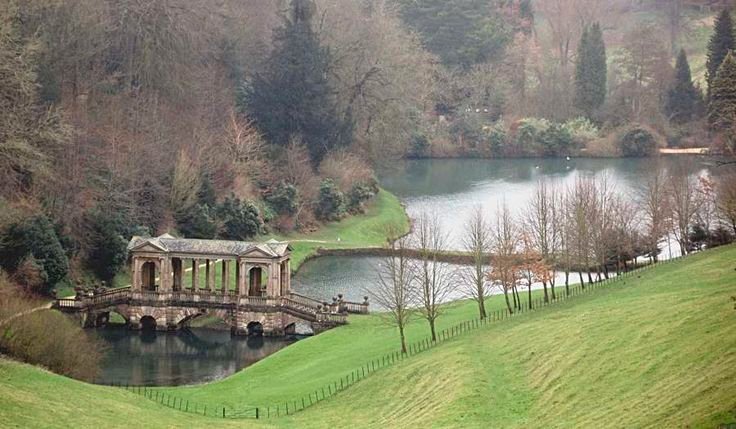 Image Credits: Pinterest
10. Take a Walking Tour of Bath
Bath is one of those cities where having a knowledgeable guide can add a lot to the experience. A walking tour can explain the history behind buildings that might otherwise simply look beautiful.
Depending on your interests, you can find general city tours, architecture walks, historical experiences, ghost tours and private guided walks.
A walking tour is particularly useful on a first visit because it helps you understand how the Roman, medieval and Georgian parts of Bath fit together.
11. Explore Bath’s Museums
Bath has several museums covering everything from art and architecture to astronomy, fashion and the city’s social history.
The Holburne Museum
A good choice for visitors interested in art, culture and historic collections. Its setting near Sydney Gardens also makes it easy to combine with a walk.
Museum of Bath Architecture
Particularly interesting if you’re fascinated by Bath’s Georgian buildings and want to understand how the city’s famous architecture developed.
Herschel Museum of Astronomy
A smaller museum connected with astronomer William Herschel. It offers a different perspective on Bath’s scientific history.
Fashion Museum
A good option for anyone interested in historic clothing and fashion, particularly the way styles changed over different periods.
12. Walk Along the River Avon
For a quieter side of Bath, spend some time beside the River Avon. The riverside area around Pulteney Bridge and Bath Weir provides a pleasant break from the city’s busiest streets.
It’s an easy activity to add to a sightseeing day because you don’t need a ticket or a fixed schedule. Simply include it while walking between attractions.
13. Explore Bath’s Food and Café Scene
Bath isn’t just about historic buildings. The city has plenty of cafés, restaurants, pubs and places for afternoon tea, making food an important part of a weekend visit.
Look out for the traditional Bath bun, while also leaving room for independent cafés and modern restaurants around the city centre.
If you’re spending a full day sightseeing, an afternoon tea break can also be a nice way to slow down before continuing your exploration.
14. Take a Day Trip from Bath
Bath also makes a convenient base for exploring more of South West England. If you’re staying for several days, consider adding one of the following destinations to your trip.
| Destination | Why Visit? |
|---|---|
| Cotswolds | Picturesque villages, countryside walks and classic English scenery. |
| Stonehenge | One of Britain’s most famous prehistoric monuments. |
| Bristol | Street art, harbourside attractions, restaurants and a lively city atmosphere. |
| Wells | A small historic city known for its cathedral and medieval character. |
| Cheddar Gorge | Dramatic limestone scenery and one of the UK’s best-known gorges. |
If you’re planning to combine Bath with the Cotswolds, see our Cotswolds Itineraries guide for more ideas.
15. Enjoy Bath After Dark
Don’t assume Bath shuts down once the main attractions close. The city has a completely different atmosphere in the evening, when its historic buildings and streets are illuminated.
Enjoy an evening meal, explore the city centre, visit a traditional pub or look for an evening walking or ghost tour.
Staying overnight gives you the chance to experience this quieter side of Bath instead of leaving immediately after the daytime sightseeing crowds disappear.
Best Things to Do in Bath for Different Travellers
Bath works well for many different types of travellers. Here’s where I’d focus depending on what you’re looking for.
| Traveller | Best Things to Do |
|---|---|
| First-time visitors | Roman Baths, Bath Abbey, Pulteney Bridge and Royal Crescent. |
| Couples | Thermae Bath Spa, Georgian streets, afternoon tea and an evening meal. |
| Families | Roman Baths, museums, riverside walks and parks. |
| History lovers | Roman Baths, Bath Abbey, museums and historic architecture. |
| Architecture lovers | Royal Crescent, The Circus, Pulteney Bridge and Georgian streets. |
| Jane Austen fans | Jane Austen Centre, Georgian Bath and literary walking experiences. |
| Budget travellers | Walking routes, parks, riverside walks and free architectural sightseeing. |
| Weekend visitors | Roman Baths, spa, Abbey, Royal Crescent, guided tour and relaxed dining. |
How Long Do You Need in Bath?
One Day in Bath
One day is enough to experience Bath’s major highlights if you plan your route carefully. Prioritise the Roman Baths, Bath Abbey, Pulteney Bridge, Royal Crescent and the historic city centre.
Two Days in Bath
Two days is a better option if you want a more relaxed experience. You can add Thermae Bath Spa, the Jane Austen Centre, museums, Prior Park and a guided walking tour without constantly watching the clock.
Three Days or More
With three or more days, consider using Bath as a base for day trips to the Cotswolds, Stonehenge, Bristol, Wells or Cheddar Gorge.
If you’re planning a wider UK trip, our 7-Day UK Itinerary can help you see how Bath could fit into a multi-city route.
Best Time to Visit Bath
Bath is a year-round destination, but the best time depends on whether you prioritise gardens, sightseeing, smaller crowds or seasonal atmosphere.
🌸 Spring
A good season for walking and gardens, with increasing daylight and generally pleasant conditions for exploring the city.
☀️ Summer
Longer daylight hours make summer excellent for sightseeing, although popular attractions can be busy.
🍂 Autumn
A lovely time for architecture, photography and walking, particularly when the city and surrounding parks take on autumn colours.
❄️ Winter
Winter can be particularly appealing for spa visits, museums, cosy cafés and seasonal events. Just remember that daylight hours are shorter.
How to Get Around Bath
One of Bath’s biggest advantages for visitors is its compact historic centre. Many of the main attractions are close enough to reach on foot.
- Walking: Best for the historic centre and major attractions.
- Bus: Useful for destinations outside the central area.
- Taxi: Convenient when travelling with luggage or visiting locations farther from the centre.
- Train: Bath Spa station provides convenient rail access for day trips and visitors arriving without a car.
- Car: Useful for exploring the surrounding countryside, but less convenient in the historic centre.
Travelling around Britain by rail? Our UK Train Travel for Tourists guide explains how to plan train journeys, tickets and routes.
You can also read our guide to How to Travel Around the UK for a comparison of trains, buses, coaches and driving.
Where to Stay in Bath
Staying overnight is worthwhile if you have the time. Bath is especially enjoyable in the evening once many day-trippers have left.
| Area | Best For |
|---|---|
| Bath City Centre | First-time visitors who want to be close to the major attractions. |
| Near the Roman Baths | Travellers prioritising sightseeing and central locations. |
| Near Bath Spa Station | Visitors arriving by train or taking frequent day trips. |
| South Bath | Travellers looking for a quieter location while remaining relatively close to the centre. |
| Surrounding countryside | Couples and travellers looking for a quieter weekend escape. |
Bath Attractions & Experiences Worth Booking in Advance
Some experiences can be easier to organise before you arrive, particularly if you’re visiting during a busy weekend or travelling with limited time.
🏛️ Roman Baths
One of Bath’s essential historic attractions.
♨️ Thermae Bath Spa
A relaxing way to experience Bath’s famous thermal waters.
🚶 Bath Walking Tour
Explore the city’s history and architecture with a local guide.
📖 Jane Austen Experience
A good choice for literature lovers and visitors interested in Regency Bath.
🚌 Bath & Cotswolds Tour
Useful for visitors with limited time who want to combine Bath with the surrounding countryside.
🏨 Bath Hotels
Compare accommodation close to attractions, transport and the historic centre.
Bath in a UK Itinerary
Bath works particularly well as part of a wider England or UK trip. A popular route could combine London → Bath → Cotswolds → York → Edinburgh, depending on how much time you have.
If you’re travelling from London, start with our 2 Days in London guide before heading west to Bath.
Travellers planning a longer trip can use our 7-Day UK Itinerary for a broader route covering some of Britain’s most popular destinations.
You can also continue north after Bath by combining your trip with York and 3 Days in Edinburgh.
If Scotland is part of your wider trip, our guide to the Best Places to Visit in Scotland can help you plan the next stage.
Practical Tips for Visiting Bath
- Wear comfortable shoes because you’ll likely spend a lot of time walking.
- Consider booking major attractions ahead when visiting during busy periods.
- Use Bath’s compact centre to your advantage and group nearby attractions together.
- Allow extra time for Georgian streets rather than treating them as places you simply pass through.
- Consider a spa session if you’re staying overnight.
- Check attraction opening times before travelling.
- Don’t underestimate Bath’s parks, riverside areas and free sightseeing opportunities.
- If possible, stay overnight rather than treating Bath only as a quick day trip.
Is Bath Worth Visiting?
Yes — Bath is one of the easiest UK destinations to recommend for a first-time visitor.
Its combination of Roman history, Georgian architecture, natural thermal waters, museums, gardens, restaurants and walkable streets gives you plenty to do without needing a complicated itinerary.
For a first visit, make the Roman Baths, Bath Abbey, Pulteney Bridge, Royal Crescent and Georgian city centre your priorities. If you have more time, add Thermae Bath Spa, Prior Park, the Jane Austen Centre and a guided walking tour.
Whether you’re planning a day trip from London, a romantic weekend, a family break or part of a longer UK adventure, Bath is a destination that rewards slowing down and exploring beyond the headline attractions.
Frequently Asked Questions
What are the best things to do in Bath?
The best things to do in Bath include visiting the Roman Baths, exploring Bath Abbey, seeing Pulteney Bridge, relaxing at Thermae Bath Spa, walking around the Royal Crescent and The Circus, and exploring Bath’s Georgian streets.
Is Bath worth visiting for a day?
Yes. Bath is compact and many of its major attractions are close together, making it possible to see highlights such as the Roman Baths, Bath Abbey, Pulteney Bridge and the Royal Crescent in one day.
How many days do you need in Bath?
One day is enough for the major highlights, while two days allows a more relaxed visit with time for the Roman Baths, spa, museums, Georgian architecture and local restaurants.
What is Bath famous for?
Bath is famous for its Roman Baths, natural thermal waters, Georgian architecture, Bath Abbey, Royal Crescent and connection with Jane Austen.
Is Bath good for a weekend trip?
Yes. Bath is particularly well suited to a weekend break because its historic centre is compact, walkable and packed with attractions, restaurants, cafés and cultural experiences.
Can you visit Bath without a car?
Yes. Bath is easy to explore without a car, particularly around the historic city centre. The city also has rail and local bus connections.
Is Bath expensive to visit?
Bath can be more expensive than some UK destinations, particularly during busy periods, but visitors can control costs by choosing accommodation outside the most central areas and mixing paid attractions with free walks and public spaces.
What is the best time to visit Bath?
Spring and early autumn are particularly appealing for sightseeing and walking, while summer offers longer daylight hours. Winter can also be enjoyable for spa visits, indoor attractions and seasonal events.
Is Bath a good day trip from London?
Yes. Bath can work well as a London day trip, particularly by train, although staying overnight gives you more time to experience the city without rushing.
What should I not miss in Bath?
For a first visit, don’t miss the Roman Baths, Bath Abbey, Pulteney Bridge, Royal Crescent, The Circus and the city’s Georgian streets.