3 Days in London: The Ultimate London Itinerary
Planning a 3-day trip to London? This practical itinerary covers London’s biggest landmarks, historic neighborhoods, museums, markets and riverside attractions without trying to cram the entire city into one exhausting trip.
Designed for first-time visitors from the United States, Canada, Europe, Australia and beyond, this guide shows you what to see, where to go, how to get around and how to make the most of three days in London.
3 Days in London at a Glance
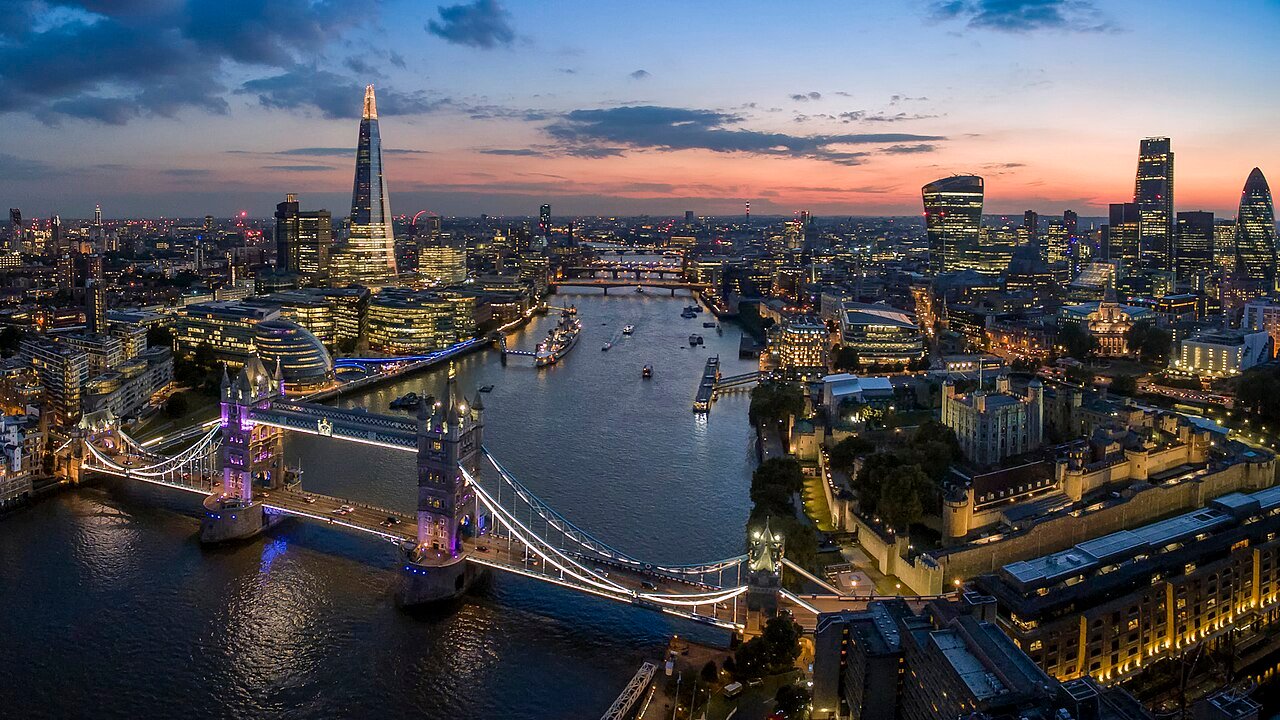
The easiest way to explore London in three days is to group attractions by area rather than constantly crossing the city.
Is 3 Days Enough for London?
Yes. Three days is enough to experience many of London’s most famous attractions, particularly if this is your first visit.
You won’t see everything London has to offer, but you can visit many of the city’s iconic sights while still having time to experience different neighborhoods.
If you’re looking for a broader list of attractions to choose from, see our Best Things to Do in London guide before finalizing your itinerary.
Before You Start: Planning Your 3 Days in London
1. Book Your London Accommodation
For a short trip, staying somewhere reasonably central can save you a surprising amount of time. Good areas for first-time visitors include Westminster, Covent Garden, South Bank, Soho, Kensington, Bloomsbury, London Bridge and Paddington.
You don’t necessarily need to stay directly beside the major attractions. A hotel close to a Tube station can be more useful than a more expensive hotel in the heart of Westminster.
If you’re unsure which neighborhood suits your trip, read our Where to Stay in London: Best Areas for First-Time Visitors guide.
2. Book Popular Attractions in Advance
Some of London’s most popular attractions become extremely busy, particularly during weekends, school holidays and the summer travel season.
- Tower of London
- London Eye
- Westminster Abbey
- St Paul’s Cathedral
- London sightseeing tours
- West End shows
- Afternoon tea experiences
3. Plan Your London Transport
London is large, but getting around is straightforward once you understand the transport system. For this itinerary, you’ll mainly use the Underground, buses and walking.
Contactless payment can make public transportation particularly convenient for international visitors.
Day 1: Westminster, Buckingham Palace & South Bank
Royal London, iconic landmarks and the River Thames
Morning: Westminster and Big Ben
Start your first morning in Westminster. This is one of the best areas in London for first-time visitors because several famous landmarks are within walking distance of one another.
Big Ben
Big Ben is one of London’s most recognizable landmarks. Technically, the name refers to the Great Bell inside the Elizabeth Tower rather than the entire clock tower.
Take some time to photograph the tower from Westminster Bridge and the surrounding streets before continuing toward Westminster Abbey.
Westminster Abbey
Walk from Big Ben to Westminster Abbey. The historic church has played an important role in British history for centuries and is traditionally associated with royal coronations.
Allow roughly 1–2 hours if you want to explore the interior properly. If you’re mainly interested in seeing the building from outside, you can admire it from Parliament Square and continue your walk.
Parliament Square
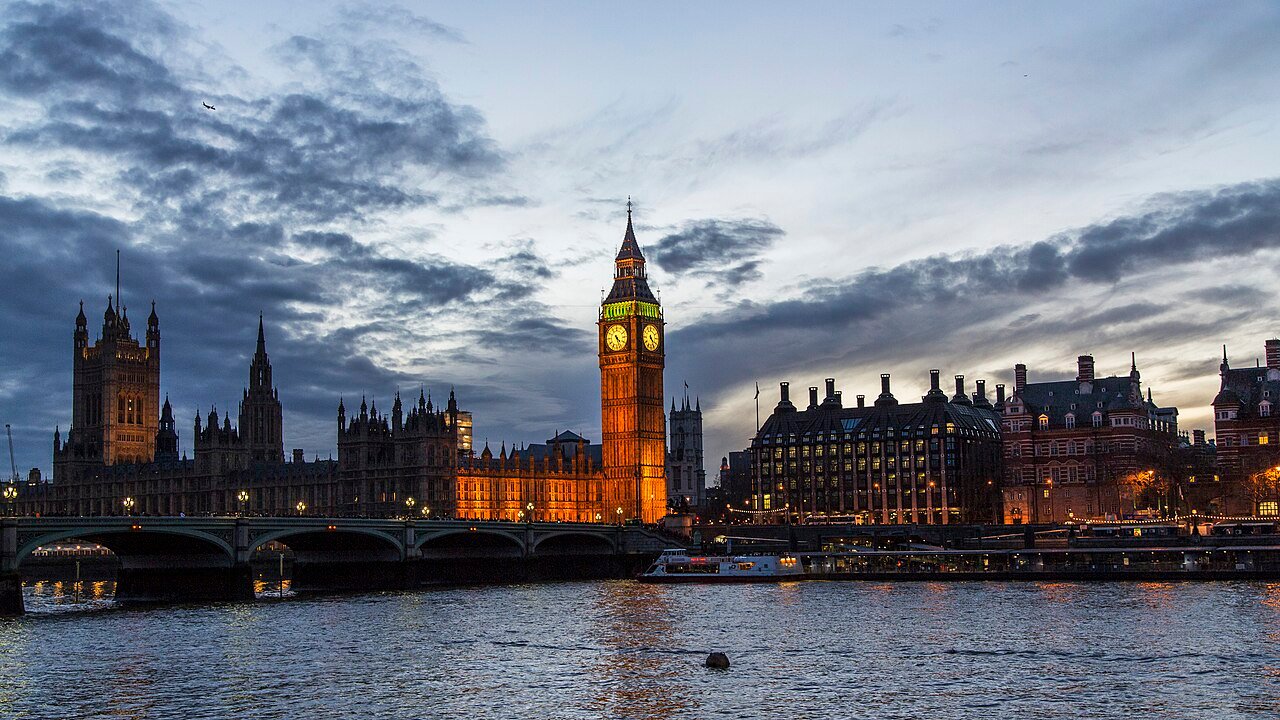
Walk around Parliament Square and take in views of the Palace of Westminster, Big Ben, Westminster Abbey and the surrounding historic buildings.
Late Morning: St James’s Park
Walk through St James’s Park toward Buckingham Palace. The park is one of London’s most attractive green spaces and makes a pleasant break from the busy streets.
Buckingham Palace
Continue to Buckingham Palace, the famous London residence associated with the British monarch. Even if you don’t go inside, the exterior and surrounding area are worth seeing.
Lunch: Westminster, Victoria or St James’s
By now you’ll probably be ready for lunch. Choose a café, pub or casual restaurant rather than spending too much of your limited sightseeing time on a long meal.
Afternoon: The Mall and Trafalgar Square
Walk along The Mall toward Trafalgar Square. This ceremonial route connects Buckingham Palace with central London and takes you through some of the city’s most recognizable surroundings.
At Trafalgar Square you’ll find Nelson’s Column, fountains and the National Gallery.
National Gallery
Art lovers can spend some time inside the National Gallery. If art isn’t a priority, simply enjoy Trafalgar Square and continue toward the Thames.
Late Afternoon: Walk Along the Thames
Make your way toward the River Thames and cross toward the South Bank. The riverside becomes particularly atmospheric as afternoon turns into evening.
Evening: London Eye and South Bank
Finish your first day around the London Eye. The observation wheel provides views across central London and the River Thames.
Afterward, walk along the South Bank. You’ll find restaurants, bars, street performers, shops and riverside views.
Day 2: Tower of London, Tower Bridge & St Paul’s
Historic London, markets and the City skyline
Morning: Tower of London
Start early at the Tower of London. Arriving earlier can make a noticeable difference, particularly during busy travel periods.
The Tower has more than a thousand years of history and has served various roles including fortress, palace and prison.
Inside, you can explore areas associated with:
- English royal history
- Medieval architecture
- The Crown Jewels
- Historic prisoners
- The Tower’s famous ravens
Allow around 2–3 hours if you want to explore comfortably.
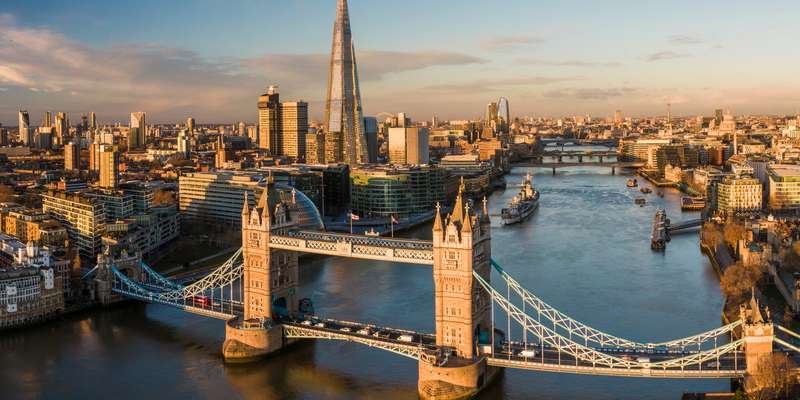
Late Morning: Tower Bridge
From the Tower of London, walk to Tower Bridge. The two attractions are close together, making them an ideal combination.
Walking across Tower Bridge is free. You can also visit the Tower Bridge exhibition and its elevated walkways.
Lunch: Borough Market
Continue toward Borough Market for lunch. The market is a great choice when everyone in your group wants something different.
You may find:
- British food
- International cuisine
- Sandwiches
- Cheese
- Pastries and desserts
- Street food
- Coffee
Afternoon: Shakespeare’s Globe
Walk along the Thames toward Shakespeare’s Globe. The reconstructed theater offers an interesting look at London’s theatrical history and Shakespeare’s connection with the city.
Millennium Bridge
Continue toward Millennium Bridge. From here you’ll get one of the most recognizable modern views toward St Paul’s Cathedral.
St Paul’s Cathedral
Cross Millennium Bridge and walk toward St Paul’s Cathedral. If you visit the interior, allow around 1.5–2 hours.
One of the highlights is climbing toward the galleries and dome area for views across London.
Late Afternoon: The City of London
Spend some time exploring the surrounding City of London. This is London’s historic financial district and one of the best places to see old and new London sitting side by side.
Historic London
Discover historic churches, narrow lanes and centuries-old buildings hidden between modern offices.
Modern London
Look upward for London’s modern skyline and distinctive skyscrapers surrounding the historic City.
Evening: Soho or Covent Garden
Head back toward central London for dinner. Soho is ideal for restaurants, bars and nightlife, while Covent Garden offers restaurants, shops, theaters and street performers.
If seeing a West End show is high on your list, tonight can be a good opportunity.
Day 3: British Museum, Covent Garden & London’s West End
Museums, markets, shopping and central London
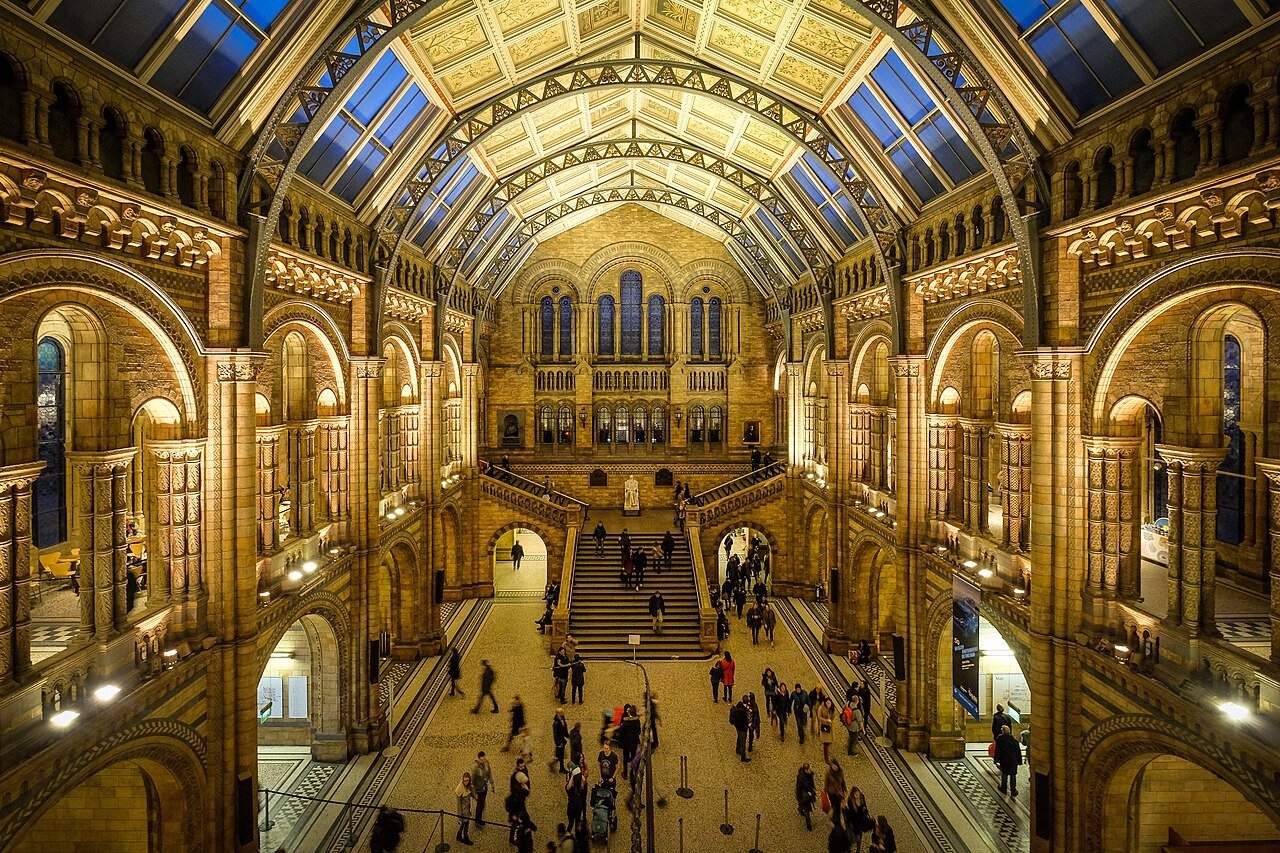
Morning: British Museum
Start your final day at the British Museum. Its collection covers thousands of years of human history and cultures from around the world.
You could spend an entire day here, but for a three-day London trip, plan for approximately 2–3 hours.
Lunch: Bloomsbury or Covent Garden
After the museum, walk toward Covent Garden. Alternatively, explore Bloomsbury for a quieter atmosphere close to the British Museum.
Afternoon: Covent Garden
Spend part of the afternoon exploring Covent Garden. The area is famous for its market buildings, restaurants, shops, theaters and street performers.
Unlike a major attraction, Covent Garden doesn’t require you to follow a strict schedule. It’s a good place to simply wander.
Trafalgar Square
Walk from Covent Garden toward Trafalgar Square. If you skipped the National Gallery on Day 1, this is a good opportunity to visit.
Piccadilly Circus
Continue toward Piccadilly Circus. You won’t need a huge amount of time here, but it’s worth seeing the famous illuminated advertising screens and surrounding streets.
From Piccadilly Circus you can easily continue toward Leicester Square, Chinatown, Soho, Regent Street or Oxford Street.
Soho and Chinatown
Continue into Soho and Chinatown. This is a great part of London for an afternoon snack, coffee or early dinner.
Choose One Final London Experience
Shopping
Head toward Oxford Street, Regent Street and Carnaby Street if shopping is part of your London plans.
Hyde Park
Take a break from central London’s crowds and relax in one of the city’s best-known parks.
Westminster at Sunset
Return toward Big Ben, Westminster Bridge and the Thames for evening photographs.
West End Show
Finish your trip with a theater performance in London’s famous West End.
Your 3-Day London Itinerary at a Glance
| Day | Morning | Afternoon | Evening |
|---|---|---|---|
| Day 1 | Westminster, Big Ben, Westminster Abbey | Buckingham Palace, St James’s Park, Trafalgar Square | London Eye & South Bank |
| Day 2 | Tower of London & Tower Bridge | Borough Market, Shakespeare’s Globe, St Paul’s | Soho / Covent Garden / West End |
| Day 3 | British Museum | Covent Garden, Trafalgar Square, Piccadilly Circus | Soho, West End or Westminster |
How to Get Around London
You don’t need a rental car for this itinerary. Central London is generally easier to explore using public transportation and walking.
London Underground
The Underground, commonly called the Tube, is usually the fastest way to cover longer distances around central London.
Contactless Payment
Visitors with compatible contactless cards or mobile wallets can generally use them for public transportation. Check with your bank before traveling to understand any foreign transaction or currency conversion fees.
London Buses
Buses can be slower than the Tube but give you something the Underground doesn’t: views of the city.
Should You Buy a London Travel Pass?
It depends on how much sightseeing you plan to do. Don’t automatically buy a tourist pass simply because you’re visiting London for three days.
Before buying one, compare:
- The attractions you actually want to visit.
- The individual ticket prices.
- How much public transportation you’ll use.
- Whether discounts apply to your chosen attractions.
- Whether bundled access is worth the convenience.
How Much Does 3 Days in London Cost?
London can be expensive, but your total budget depends heavily on accommodation, dining choices and the number of paid attractions you visit.
| Expense | Budget Traveler | Mid-Range Traveler |
|---|---|---|
| Accommodation | £50–£100+ | £120–£250+ |
| Food | £25–£50 | £50–£100+ |
| Transport | £10–£20 | £10–£20 |
| Attractions | £0–£50+ | £50–£100+ |
| Miscellaneous | £10–£30 | £20–£50+ |
How to Save Money
- Stay near a Tube station rather than directly beside a landmark.
- Eat lunch at markets or casual restaurants.
- Walk between nearby attractions.
- Book popular attractions ahead when appropriate.
- Visit London’s many free museums and public spaces.
- Avoid taking taxis for every journey.
- Compare attraction passes with individual ticket prices.
Where to Stay for This 3-Day London Itinerary
For a short first-time visit, location matters. Staying reasonably central can save you valuable sightseeing time.
Westminster
Best for first-time visitors who want major landmarks nearby.
Covent Garden
Great for restaurants, theaters and a central location.
South Bank
Ideal for Thames views and easy access to riverside attractions.
Soho
Excellent for restaurants, nightlife and central London.
Bloomsbury
Convenient for museums and central London while feeling slightly quieter.
Paddington
Particularly convenient for travelers using Heathrow connections.
For a detailed area-by-area comparison, see our complete guide to where to stay in London .
Best London Tours for First-Time Visitors
A guided tour can be worthwhile if you want to understand the history behind London’s landmarks rather than simply photographing them.
Walking Tours
Explore Westminster, the City of London, Soho or historic neighborhoods with a local guide.
Hop-On Hop-Off Bus
Useful if you want an easy overview of London without navigating public transportation yourself.
Thames River Cruise
See Tower Bridge, the Tower of London, London Eye and Westminster from the river.
Harry Potter Experiences
Fans can add a themed London tour or studio experience to their trip.
What to Eat During 3 Days in London
Your London trip doesn’t need to revolve around expensive restaurants. Try a mixture of traditional British food and London’s enormous international food scene.
British Classics
Fish and chips, full English breakfast, Sunday roast, steak and ale pie, and sausage and mash.
International Food
London is exceptionally multicultural. Explore Indian, Chinese, Middle Eastern and European food alongside British dishes.
Markets
Borough Market and other food markets are useful for travelers who want variety without committing to one restaurant.
Afternoon Tea
If you want a classic London experience, consider making afternoon tea part of your itinerary.
What to Pack for London
London weather can change quickly, so layers and comfortable shoes are more useful than packing for one type of weather.
For American Visitors
The UK uses Type G electrical outlets, so visitors from the United States generally need a suitable travel adapter.
The UK also uses British pounds (£), rather than US dollars.
London Travel Tips for American Visitors
You Don’t Need a Car
Central London is much easier to explore using public transportation and walking.
London Is Walkable
Many major attractions are closer together than they appear on a map.
Weather Changes
Even during summer, carrying a light waterproof layer is useful.
Expect Lots of Walking
You may use public transport several times a day and still walk many miles.
London Travel Tips for European Visitors
London is relatively easy to navigate, but international visitors should remember a few practical differences.
- The UK uses the pound sterling.
- The UK is no longer part of the European Union.
- Check current entry requirements for your nationality.
- Driving is on the left.
- Electrical outlets use the UK Type G standard.
- Public transportation is usually the easiest option.
How to Make This 3-Day London Itinerary Less Exhausting
This is a busy itinerary. If you prefer a slower trip, remove one major attraction each day rather than trying to see everything.
Relaxed Day 1
Skip the interior of Westminster Abbey and spend more time around Westminster and South Bank.
Relaxed Day 2
Choose either the Tower of London or St Paul’s Cathedral rather than visiting both.
Relaxed Day 3
Spend two to three hours at the British Museum and then explore Covent Garden and Soho at your own pace.
Remember
You don’t need to check every attraction off a list to have a great London trip.
Alternative 3-Day London Itinerary for Families
Traveling with children? Consider replacing some of the more history-heavy attractions with experiences that may be more engaging for younger travelers.
- London Eye
- Natural History Museum
- Science Museum
- Tower Bridge
- London Transport Museum
- Parks
- Thames cruise
- Harry Potter experiences
Alternative 3-Day London Itinerary for Couples
Couples may want to replace some sightseeing time with a few more atmospheric London experiences.
- Afternoon tea
- Thames sunset cruise
- Covent Garden dinner
- West End show
- Rooftop viewpoint
- Evening walk along the South Bank
Alternative 3-Day London Itinerary for History Lovers
If history is your priority, give more time to London’s major historic attractions and museums.
- Tower of London
- Westminster Abbey
- St Paul’s Cathedral
- British Museum
- Churchill War Rooms
- Shakespeare’s Globe
Common Mistakes to Avoid on a London Trip
Trying to See Everything
London is enormous. Three days should be about seeing the highlights rather than attempting to visit every neighborhood.
Staying Too Far Outside Central London
A cheaper hotel can become expensive in terms of time if you’re spending an hour commuting every morning.
Booking Too Many Paid Attractions
Museums, parks, markets and landmark exteriors can provide plenty of entertainment without buying tickets for everything.
Underestimating Walking
You may use public transportation several times a day and still walk 10,000–20,000+ steps. Comfortable shoes matter.
Not Booking Popular Attractions
If something is a major priority, check availability before you arrive, particularly during busy periods.
What to Book Before Your London Trip
Final Verdict: Is This the Best 3-Day London Itinerary?
For a first visit, this itinerary gives you a strong introduction to London without requiring you to constantly cross the city.
Over three days, you’ll experience:
- Royal London: Buckingham Palace, Westminster and St James’s Park
- Historic London: Tower of London, Tower Bridge and St Paul’s Cathedral
- Cultural London: British Museum, National Gallery and Shakespeare’s Globe
- Modern London: London Eye, Millennium Bridge and the City skyline
- Local atmosphere: Borough Market, Covent Garden, Soho and Chinatown
The most important thing is not to treat this itinerary as a strict schedule. Choose the attractions that matter most to you, book experiences that require advance reservations and leave some time simply to walk around London.
Three days can give you a memorable introduction to the city — and probably leave you wanting to come back for more.
Frequently Asked Questions About 3 Days in London
Is 3 days enough for London?
Yes. Three days is enough to visit many of London’s most famous attractions, including Big Ben, Buckingham Palace, Westminster Abbey, Tower Bridge, the Tower of London, St Paul’s Cathedral and the British Museum.
You won’t see everything, but you’ll get a good introduction to the city.
How many nights do I need in London?
For this itinerary, 3 nights is ideal, although you can complete it with two nights if your arrival and departure times allow for almost three full days.
If possible, avoid counting your arrival and departure days as full sightseeing days.
What should I do in London for the first time?
First-time visitors should prioritize Westminster, Buckingham Palace, the Tower of London, Tower Bridge, the Thames, St Paul’s Cathedral, the British Museum and central London neighborhoods such as Covent Garden and Soho.
Is London expensive?
London can be expensive, particularly for accommodation and some attractions. However, you can reduce costs by using public transportation, walking, eating at markets and taking advantage of London’s many free museums and public spaces.
What is the best area to stay in London for three days?
Westminster, Covent Garden, South Bank, Soho, Bloomsbury and Paddington are all convenient options. The best area depends on your budget and priorities.
Do I need a car in London?
No. A car is generally unnecessary for a three-day London sightseeing trip. The Underground, buses and walking are usually more convenient.
What is the best way to get around London?
For most visitors, a combination of walking, the London Underground and buses works well. Contactless payment can make public transportation particularly convenient.
Should I book London attractions in advance?
Yes, for popular attractions and experiences it is sensible to check availability and book ahead, especially during busy travel periods.
Can I visit London without spending a lot of money?
Yes. Many of London’s museums, parks, squares and landmarks can be enjoyed for free. You can also save money by walking between nearby attractions and eating at markets or casual restaurants.
What should I do if it rains in London?
London has plenty of indoor attractions. Good rainy-day choices include the British Museum, National Gallery, Natural History Museum, Science Museum, Westminster Abbey, St Paul’s Cathedral and the Tower of London.