
Where to Stay in London: Best Areas for First-Time Visitors
Choosing where to stay in London can make a surprisingly big difference to your trip. The best area depends on your sightseeing plans, budget, nightlife preferences, family needs and how much time you want to spend travelling across the city.
For most first-time visitors, staying somewhere central and well connected is worth paying slightly more for. But you do not necessarily need to stay in London’s most expensive neighbourhoods. This guide compares the best areas to stay, typical hotel prices, transport connections and which neighbourhoods work best for different types of travellers.
Quick Answer: Where Is the Best Area to Stay in London?
Covent Garden is our best overall choice for first-time visitors. It puts you close to many major attractions, restaurants, theatres and central London neighbourhoods. If sightseeing is your main priority, Westminster is another excellent choice, while Soho is ideal for nightlife and restaurants. Families should consider South Bank or Kensington.
Where Should You Stay in London?
Here is a quick comparison of the best London neighbourhoods. Prices are broad planning estimates rather than fixed hotel rates.
| Area | Best For | Atmosphere | Typical Nightly Price |
|---|---|---|---|
| Covent Garden | First-time visitors | Lively & central | £180–£350+ |
| Westminster | Sightseeing | Historic & iconic | £170–£350+ |
| Soho | Nightlife & restaurants | Energetic | £190–£400+ |
| South Bank | Families & attractions | Riverside & relaxed | £150–£300+ |
| Kensington | Museums & families | Elegant & residential | £150–£320+ |
| Marylebone | Couples & quiet stays | Elegant & charming | £160–£330+ |
| King’s Cross | UK train connections | Modern & convenient | £130–£280+ |
| Paddington | Heathrow connections | Practical & convenient | £130–£280+ |
| City of London | Business & weekends | Modern & historic | £120–£280+ |
| Shoreditch | Trendy & creative | Alternative & lively | £130–£280+ |
| Bloomsbury | Museums & central location | Academic & peaceful | £140–£290+ |
| Victoria | Transport & sightseeing | Convenient & central | £140–£300+ |
| Notting Hill | Couples & neighbourhood feel | Stylish & colourful | £150–£320+ |
| Camden | Music & alternative London | Lively & eclectic | £120–£260+ |
| Greenwich | Families & longer stays | Historic & relaxed | £110–£240+ |
Price guide: These are broad indicative nightly ranges for planning purposes only. Actual prices vary significantly depending on season, weekends, school holidays, events, hotel category, room type and booking date.
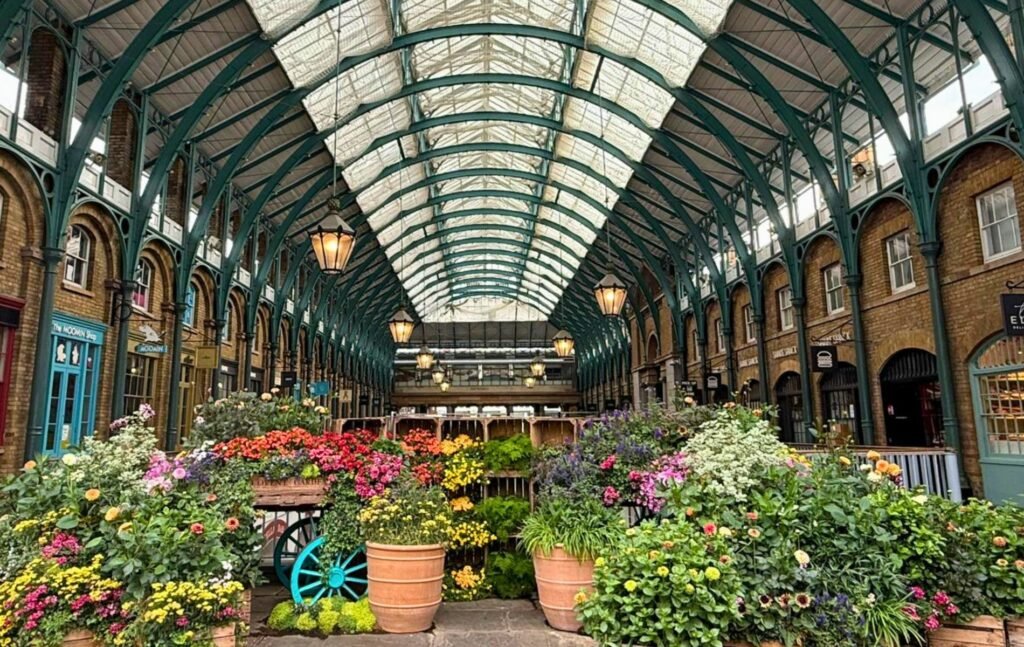 Image Credits; Wikipedia
1. Covent Garden
Best Overall for First-Time VisitorsIf you are visiting London for the first time and want to be close to restaurants, theatres, shopping and major attractions, Covent Garden is one of the easiest neighbourhoods to choose.
Why stay here:
- Excellent central location
- Close to West End theatres
- Walkable to Leicester Square and Trafalgar Square
- Lots of restaurants, cafés and shops
- Good public transport connections
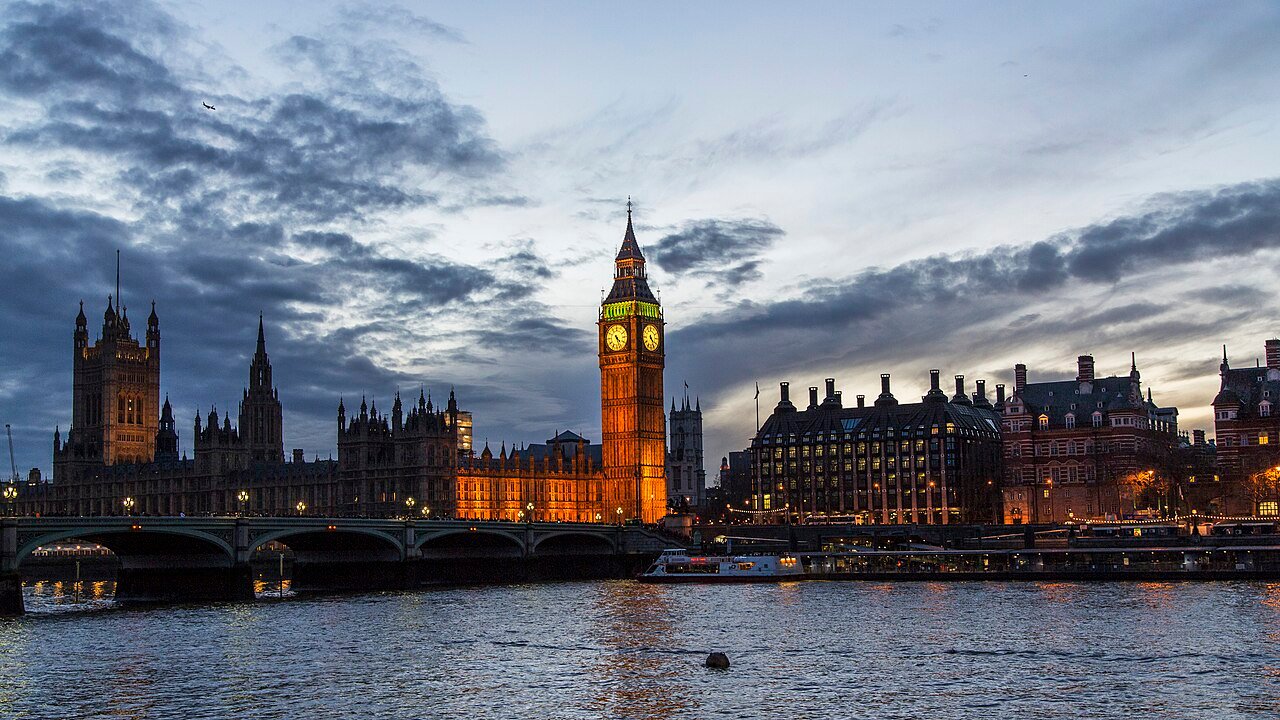 Image Credits; Wikipedia
2. Westminster
Best for Major LandmarksWestminster is ideal if your London trip is focused on famous landmarks. Big Ben, Westminster Abbey, Buckingham Palace and St James’s Park are all nearby.
Why stay here:
- Close to London’s most recognisable landmarks
- Excellent for sightseeing-heavy itineraries
- Good access to Westminster and Victoria stations
- Excellent choice for a short first visit
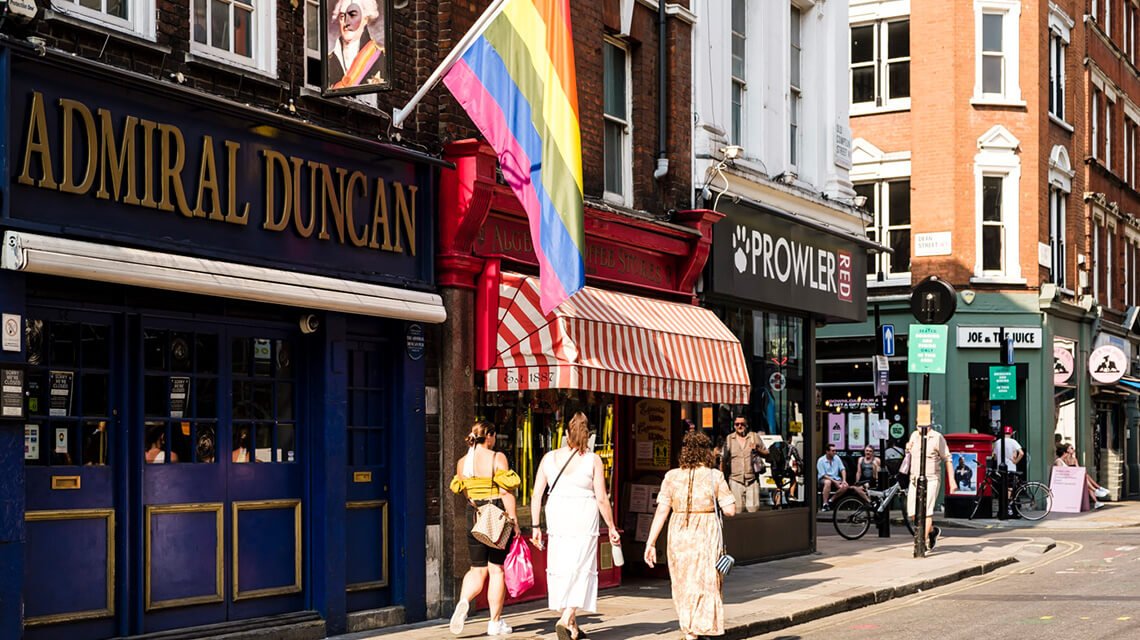 Image Credits; Wikipedia
3. Soho
Best for Nightlife & RestaurantsSoho is one of the most energetic areas in central London. It is a particularly good option if restaurants, bars, nightlife and the West End are high on your list.
Why stay here:
- Huge choice of restaurants and bars
- Close to theatres
- Walkable to Covent Garden and Leicester Square
- Excellent central location
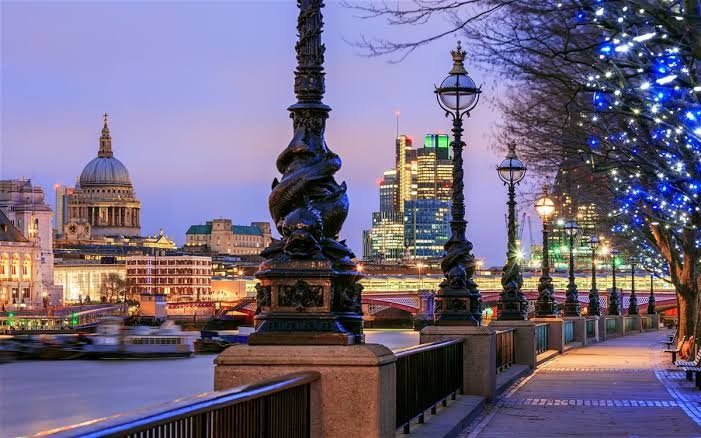 Image Credits; Wikipedia
4. South Bank
Best for Families & Riverside StaysSouth Bank is a great choice for families and travellers who like riverside walks, attractions and a slightly more relaxed atmosphere.
Nearby attractions include:
- London Eye
- SEA LIFE London Aquarium
- Southbank Centre
- Thames riverside walks
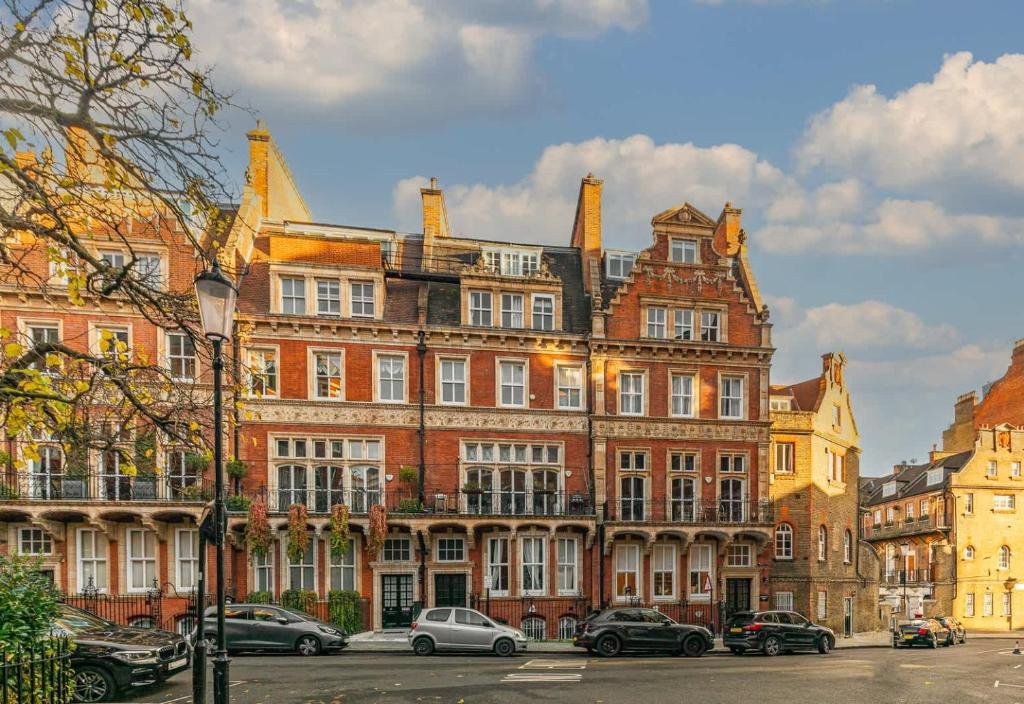 Image Credits; Wikipedia
5. Kensington
Best for Museums & FamiliesKensington combines attractive streets, excellent museums and convenient transport connections. It is particularly appealing to families and visitors who want a quieter base.
Nearby attractions include:
- Natural History Museum
- Science Museum
- Victoria and Albert Museum
- Kensington Gardens
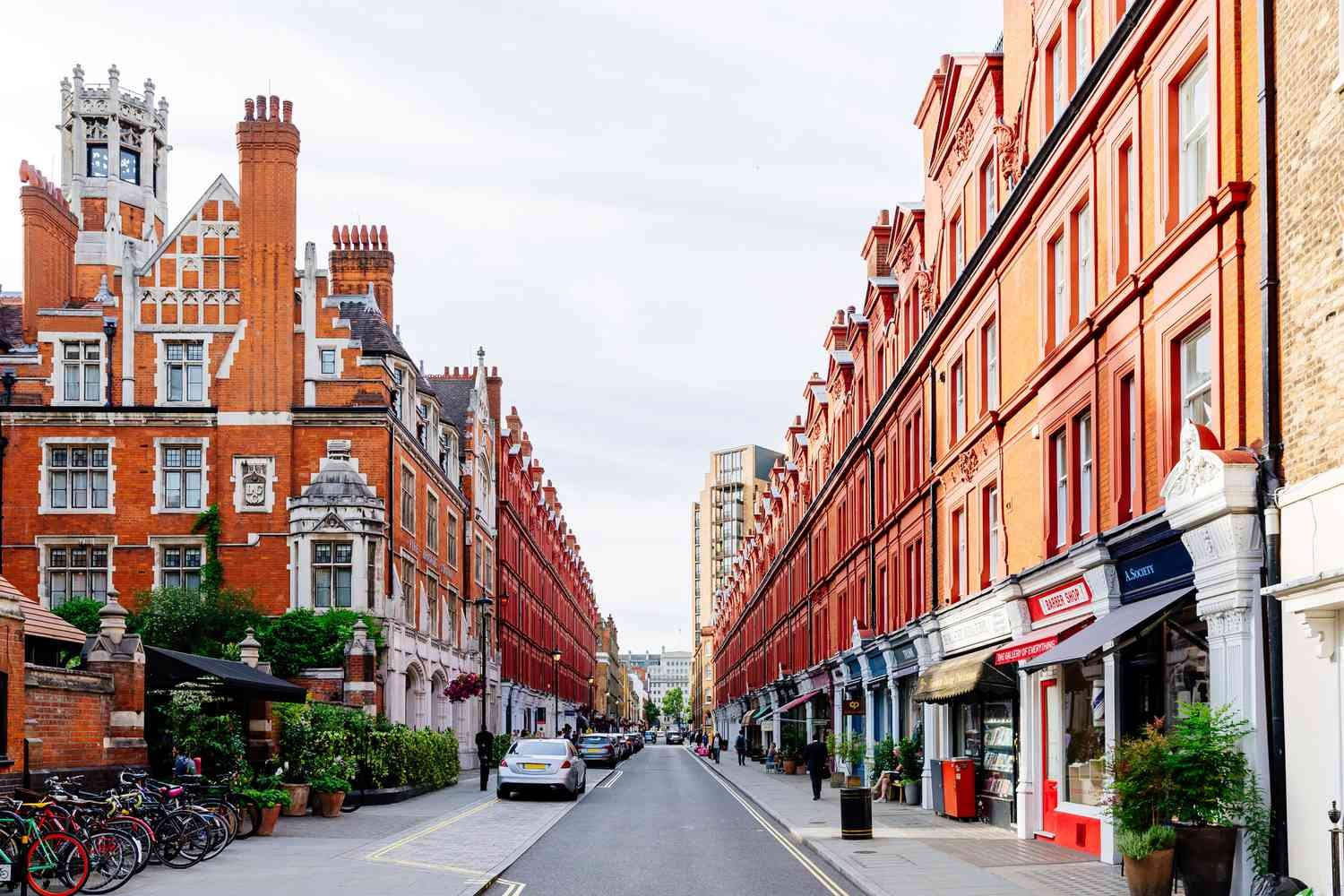 Image Credits; Wikipedia
6. Marylebone
Best for Couples & a Quieter Central StayMarylebone offers a more residential and refined London experience while still being surprisingly central. It is a good alternative to the busy streets around Soho and Covent Garden.
It works particularly well for couples, repeat visitors and travellers who prefer independent cafés, attractive streets and a calmer atmosphere.
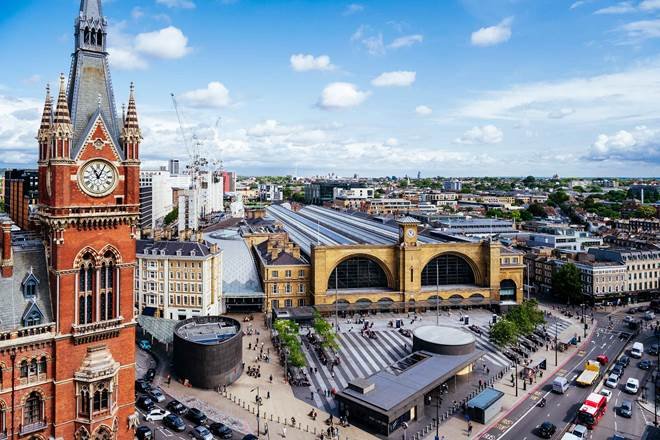 Image Credits; Wikipedia
7. King’s Cross
Best for UK Train TripsKing’s Cross is especially useful if London is one stop on a wider UK trip. King’s Cross and St Pancras provide excellent rail connections while the Underground makes it easy to reach other parts of London.
King’s Cross can be particularly convenient for travellers continuing north towards destinations such as York or Edinburgh.
 Image Credits; Wikipedia
8. Paddington
Best for Heathrow ConnectionsPaddington is a practical choice if you are arriving from Heathrow, leaving London early or simply want convenient transport connections.
It can also be useful for travellers who want to balance accommodation prices with access to central London.
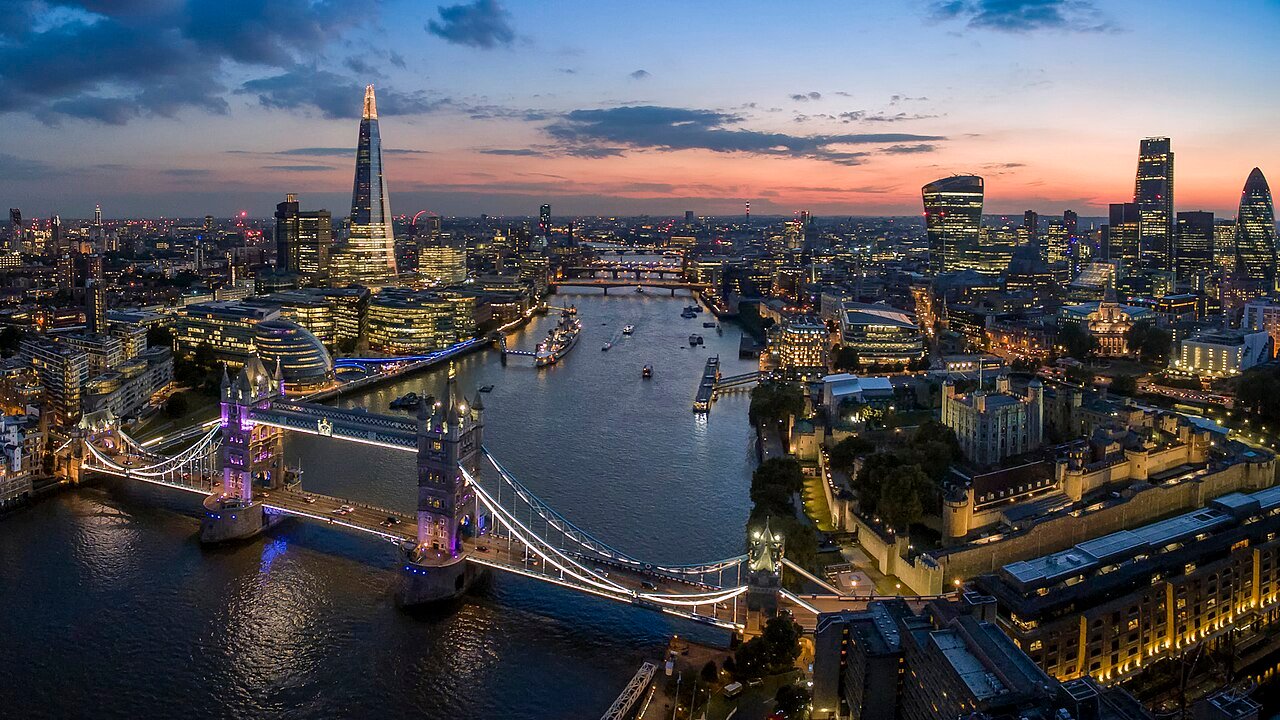 Image Credits; Wikipedia
9. City of London
Best for Business Trips & Weekend DealsThe City of London is the capital’s historic financial district. During weekends, some hotels can offer attractive rates because the area primarily serves business travellers during the working week.
It also puts you close to St Paul’s Cathedral, the Tower of London and Tower Bridge.
 Image Credits; Wikipedia
10. Shoreditch
Best for Trendy & Creative LondonShoreditch is a strong choice for travellers who want street art, independent restaurants, bars, markets and a more alternative side of London.
It is particularly appealing to younger travellers and repeat visitors who have already explored many classic landmarks.
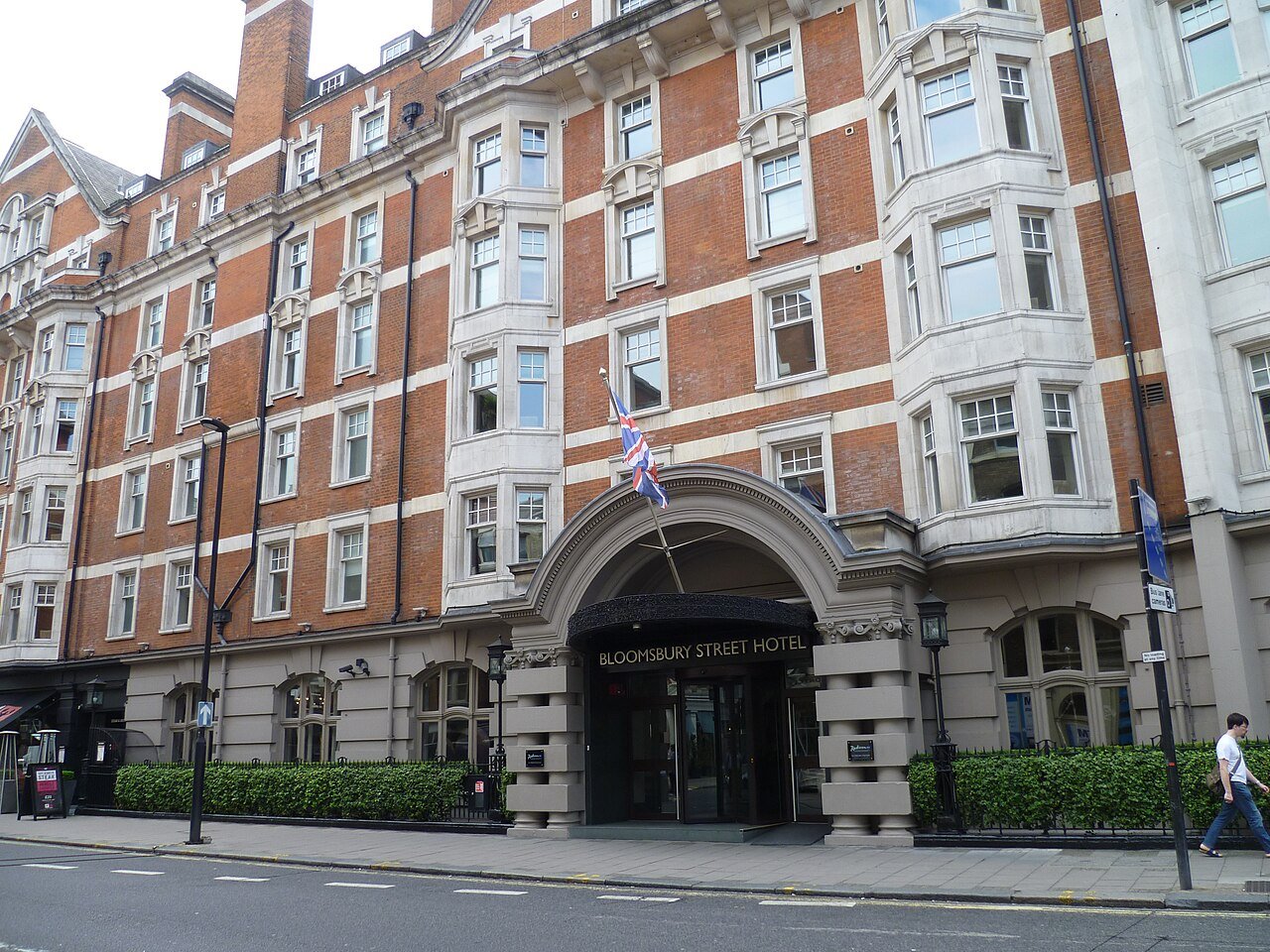 Image Credits; Wikipedia
11. Bloomsbury
Best for Museums & a Central LocationBloomsbury is a great middle ground between central sightseeing and a quieter neighbourhood atmosphere. Its location makes it particularly useful for visitors interested in museums, culture and walking around central London.
The British Museum is one of the area’s major attractions, while nearby stations provide connections across the city.
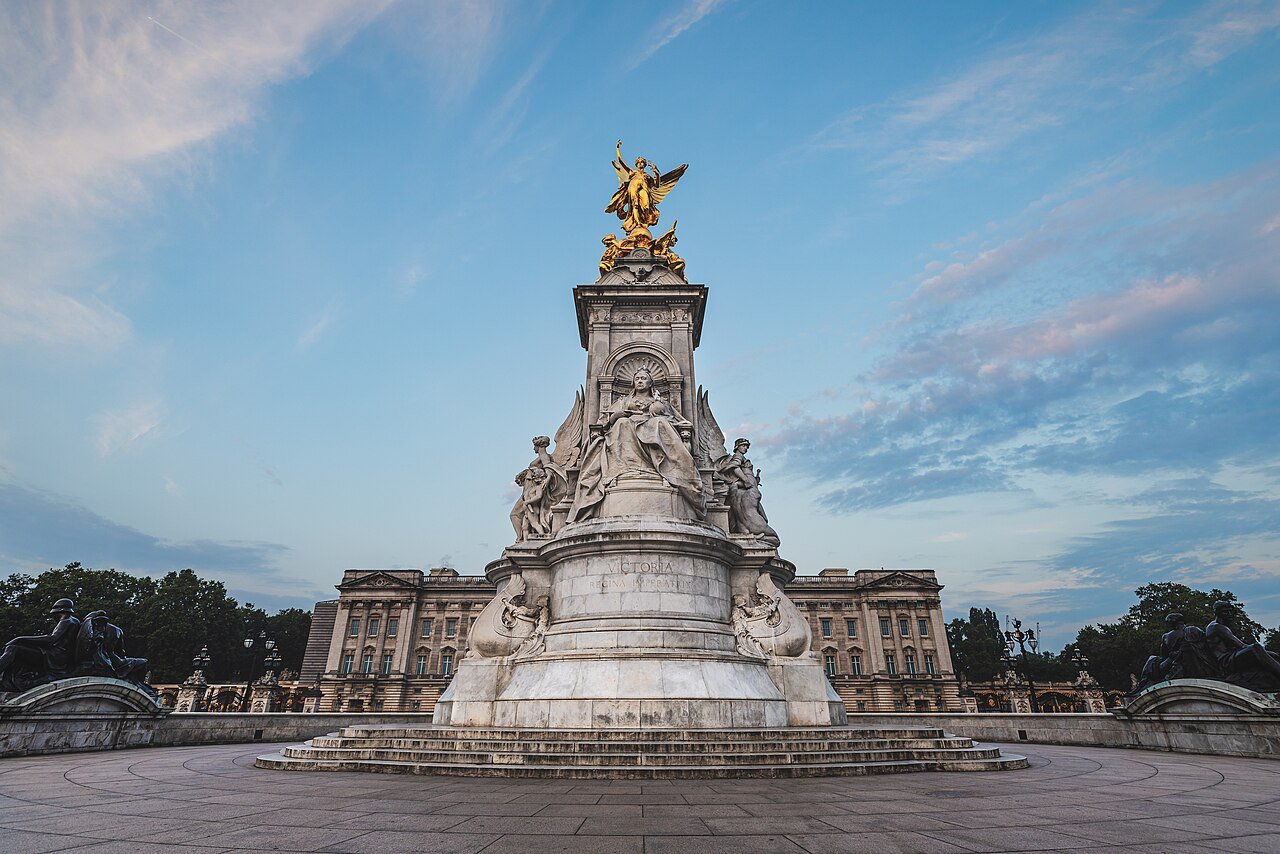 Image Credits; Wikipedia
12. Victoria
Best for Transport & Central SightseeingVictoria is a practical central London base with excellent transport connections. It is particularly useful for visitors who want easy access to Westminster, Buckingham Palace and other major attractions.
Victoria Station also provides rail and Underground connections, making the area convenient for short stays and travellers arriving or departing by train.
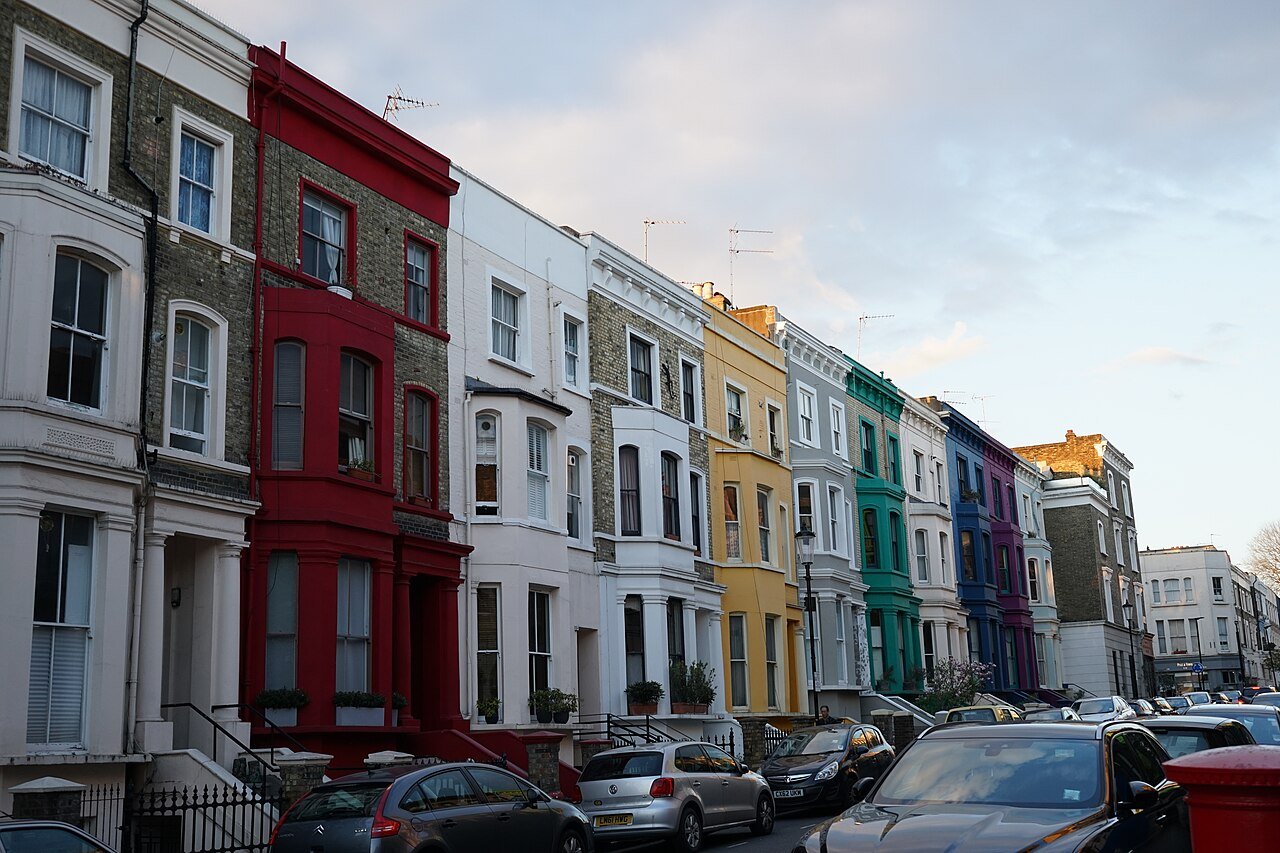 Image Credits; Wikipedia
13. Notting Hill
Best for Couples & Local Neighbourhood FeelNotting Hill offers colourful streets, independent shops, cafés and a more residential London experience. It is a particularly appealing choice for couples and repeat visitors.
The area is also well connected to central London, making it possible to combine a neighbourhood stay with traditional sightseeing.
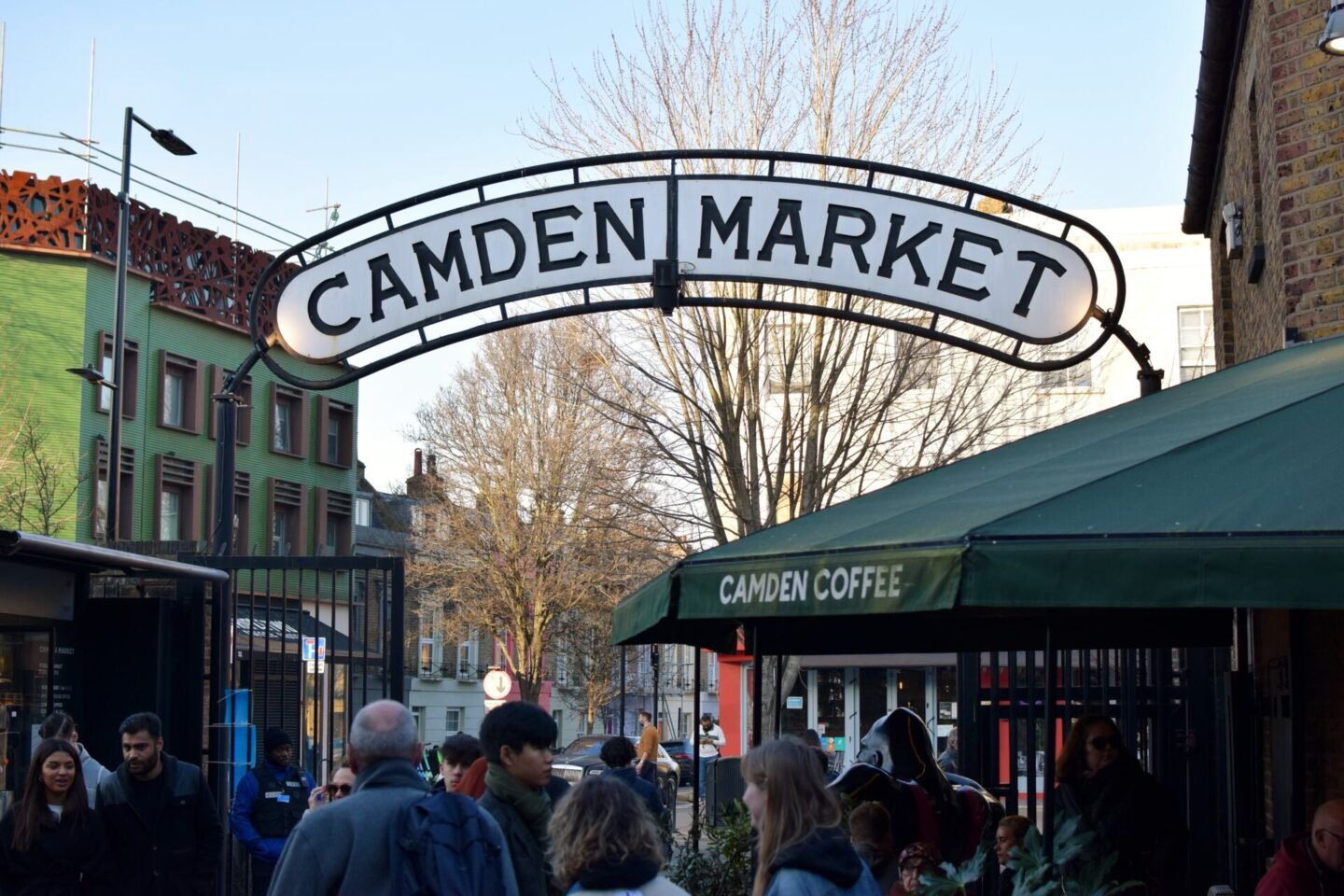 Image Credits; Wikipedia
14. Camden
Best for Music, Markets & Alternative LondonCamden is a lively option for travellers who want something different from traditional central London. The area is known for its markets, music venues, street food and alternative atmosphere.
It can work particularly well for younger travellers and visitors who enjoy exploring neighbourhoods rather than spending the entire trip around the classic landmarks.
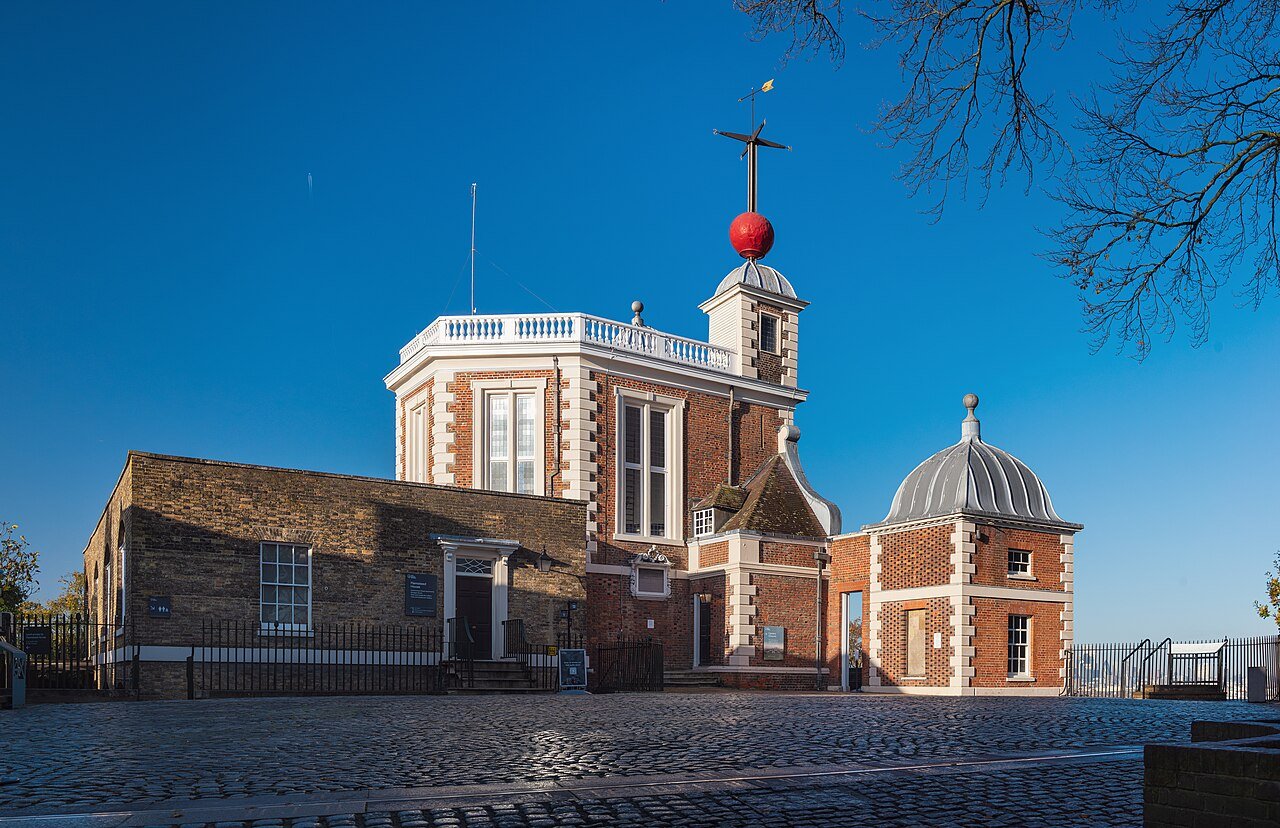 Image Credits; Wikipedia
15. Greenwich
Best for Families & Longer London StaysGreenwich is a good option if you prefer a quieter historic setting away from central London’s busiest streets. It offers parks, museums, historic attractions and a pleasant riverside atmosphere.
It can be especially attractive for families or visitors staying in London for several days who do not mind travelling into central London for some sightseeing.
Best London Areas by Travel Style
Still not sure which neighbourhood suits you? Your travel style can be an easier way to narrow down the choices.
How Much Does It Cost to Stay in London?
London accommodation prices vary dramatically. A hotel that costs £140 on a quiet weekday may cost considerably more during a summer weekend, Christmas period or major event.
As a rough planning guide, budget travellers may find basic rooms around £80–£140 per night, while comfortable mid-range hotels commonly fall around £140–£250. Well-located upscale and luxury hotels can easily exceed £300 per night.
The key is to compare the total value of the location, rather than simply choosing the cheapest room.
How to Choose the Right London Hotel Location
A slightly cheaper hotel can become a poor deal if you spend an hour every day travelling into central London. Before booking, consider these factors:
- Check the nearest Tube station: A convenient station can save significant time.
- Look at your itinerary: Choose an area that keeps your main attractions reasonably close.
- Consider evenings: If you plan to eat or visit theatres at night, staying centrally can make getting back to your hotel easier.
- Compare the total cost: A cheaper hotel may not be better value if it requires expensive or lengthy daily transport.
- Check cancellation conditions: Flexible rates can be useful if your travel plans may change.
Where to Stay in London With Kids
Families should generally prioritise easy transport, walkable attractions, larger rooms and a neighbourhood where restaurants are easy to find.
South Bank is particularly convenient for families because of its riverside setting and attractions. Kensington is another excellent choice because of its museums and quieter atmosphere.
If your children are interested in London’s major landmarks, Westminster can also work well for a short sightseeing-focused trip.
Staying in London as Part of a UK Trip
Many international visitors do not visit London alone. A common trip combines London with destinations such as Bath, York, Edinburgh or the Scottish Highlands.
If that sounds like your trip, think about your hotel location in terms of your entire journey rather than London alone. For example, King’s Cross can be particularly convenient if you are travelling north by train.
Continuing from London to Scotland?
If Scotland is the next stop on your journey, consider staying somewhere with convenient rail connections before travelling north. King’s Cross is especially useful for London-to-Edinburgh journeys.
If Edinburgh is on your itinerary, you can also plan your stay around the city’s main attractions and neighbourhoods before travelling there.
How to Get Around London From Your Hotel
London’s public transport network makes it possible to stay outside the absolute centre while still reaching major attractions efficiently.
The Underground, buses, Elizabeth line, Overground and walking can all be useful depending on your location and itinerary.
When comparing hotels, check the walking distance to the nearest station rather than simply looking at the neighbourhood name.
For official transport information, routes and service updates, check Transport for London .
Should You Rent a Car in London?
For most first-time visitors, no. London’s public transport system is generally much more practical for sightseeing than driving.
Parking can be expensive and traffic can make short journeys surprisingly slow. A car becomes more useful if you are leaving London to explore rural areas or parts of the UK that are less convenient by public transport.
London Hotel Booking Checklist
- ✓ Check the hotel’s distance from a Tube or rail station.
- ✓ Compare the total nightly price, including taxes and fees.
- ✓ Check whether breakfast is included.
- ✓ Look carefully at the room size.
- ✓ Check cancellation and refund conditions.
- ✓ Consider your return journey to the airport or train station.
- ✓ Compare hotels across several dates if your schedule is flexible.
- ✓ Check recent guest reviews before booking.
Final Verdict: Where Should You Stay in London?
For most first-time visitors, Covent Garden is the easiest recommendation because it combines a central location with restaurants, theatres, attractions and a lively atmosphere.
Choose Westminster if famous landmarks are your priority, Soho for nightlife, South Bank or Kensington for families, and Marylebone if you prefer a quieter central neighbourhood.
If your London visit is part of a wider UK trip, do not overlook King’s Cross. Its transport connections can make the overall journey considerably easier.
Ready to Find Your London Hotel?
Choose your preferred neighbourhood, compare hotels and check the total cost before booking. The right location can save you both time and money during your London trip.
Compare London HotelsFrequently Asked Questions
What is the best area to stay in London for first-time visitors?
Covent Garden is one of the best overall choices for first-time visitors because it is central, walkable and close to many attractions, restaurants and West End theaters. Westminster is another excellent option if sightseeing is your top priority.
Is it better to stay in central London?
For a first visit, especially if you only have two or three days, staying relatively central can be worth the extra cost. It can reduce commuting time and make it easier to return to your hotel during the day.
What is the best area to stay in London for families?
South Bank and Kensington are excellent choices for families. South Bank is close to several major attractions, while Kensington provides access to museums, parks and family-friendly activities.
Where should couples stay in London?
Covent Garden and Marylebone are excellent choices for couples. Covent Garden is lively and close to restaurants and theaters, while Marylebone offers a quieter and more elegant atmosphere.
Is Soho a good place to stay in London?
Yes. Soho is excellent for travelers who want restaurants, nightlife, shopping and entertainment. However, it can be busy and noisy, so it may not be ideal if you prefer a quiet neighborhood.
Where is the best place to stay in London for sightseeing?
Westminster and Covent Garden are two of the best options for sightseeing. Both provide convenient access to many major London attractions.
Where should I stay in London for two days?
For a two-day trip, consider Westminster, Covent Garden, South Bank or Soho. A central location can help you maximize your limited sightseeing time.
Is King’s Cross a good area to stay in London?
Yes. King’s Cross is particularly convenient for travelers using trains to explore other parts of the UK. It also has excellent Underground connections.
Is Paddington a good place to stay in London?
Paddington can be a practical choice, particularly for travelers who prioritize convenient connections to Heathrow Airport. It also has good public transportation links to central London.
Should I rent a car in London?
Most tourists do not need a rental car while staying in central London. Public transportation is generally much more practical. A rental car becomes more useful if you’re continuing your trip into the countryside or other parts of the UK.
How many days should I spend in London?
For a first visit, 3–4 days is a good starting point, although you could easily spend a week exploring London and its surrounding attractions.
How far in advance should I book a London hotel?
There’s no single booking window that guarantees the lowest price. However, booking earlier is generally sensible for popular travel periods, major events and school holidays. Always compare prices for your exact dates.