
Best Things to Do in London for First-Time Visitors
London can feel overwhelming on a first visit. There are famous landmarks, historic streets, world-class museums, royal palaces, markets and neighbourhoods competing for your attention.
The good news is that many of the best things to do in London are easy to combine. Start around Westminster, follow the Thames east, choose a museum that interests you and then slow down in a market, park or neighbourhood.
For a first trip, prioritise Westminster, the Tower of London, Tower Bridge, one major museum, Covent Garden, Borough Market and Hyde Park. Three days gives you a good introduction without having to rush constantly. If you only have a weekend, our 2 Days in London itinerary is a useful starting point.
Start Your London Sightseeing in Westminster
Westminster is the natural starting point for many first-time visitors. Several of London’s most recognisable landmarks are within easy walking distance of one another, which makes this one of the most efficient areas to explore on your first morning.
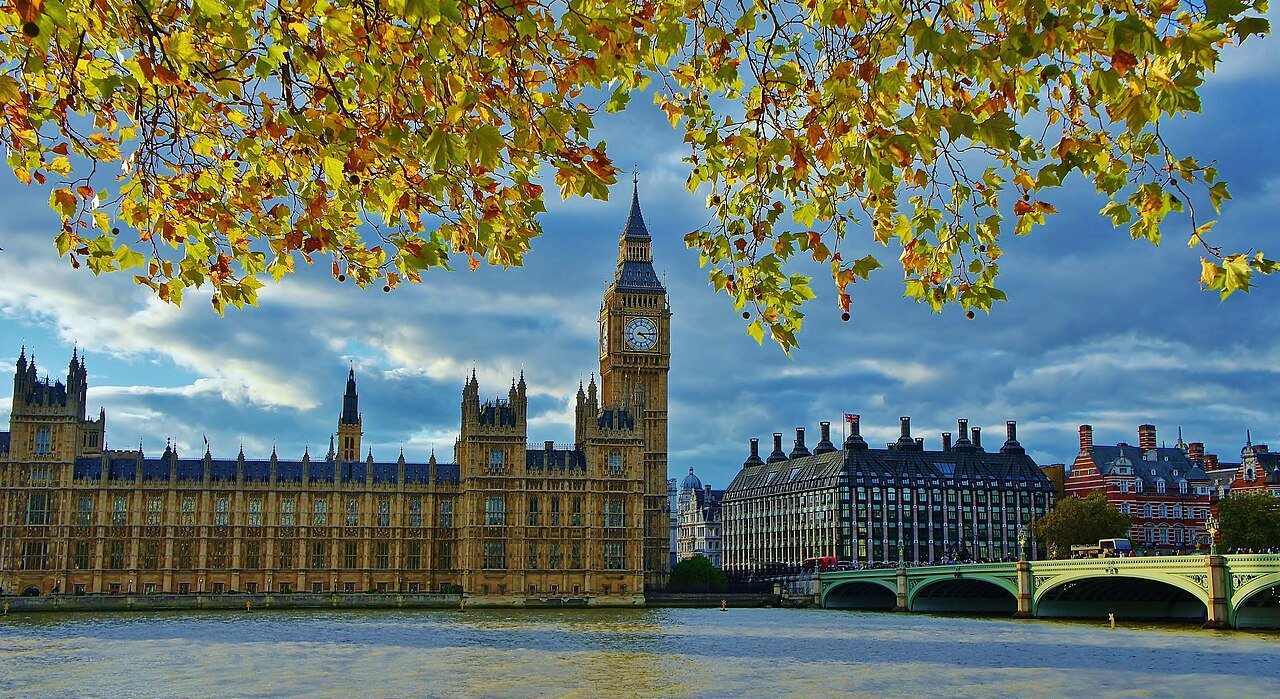
Big Ben and the Houses of Parliament
Begin around Parliament Square and walk towards the River Thames. Big Ben and the Palace of Westminster are among the most photographed sights in London, but seeing them in person gives you a much better sense of the scale and character of the area.
Westminster Abbey
Just across the square, Westminster Abbey brings centuries of British history into one remarkable building. It is particularly worthwhile if you enjoy royal history, architecture or historic ceremonies.
Buckingham Palace
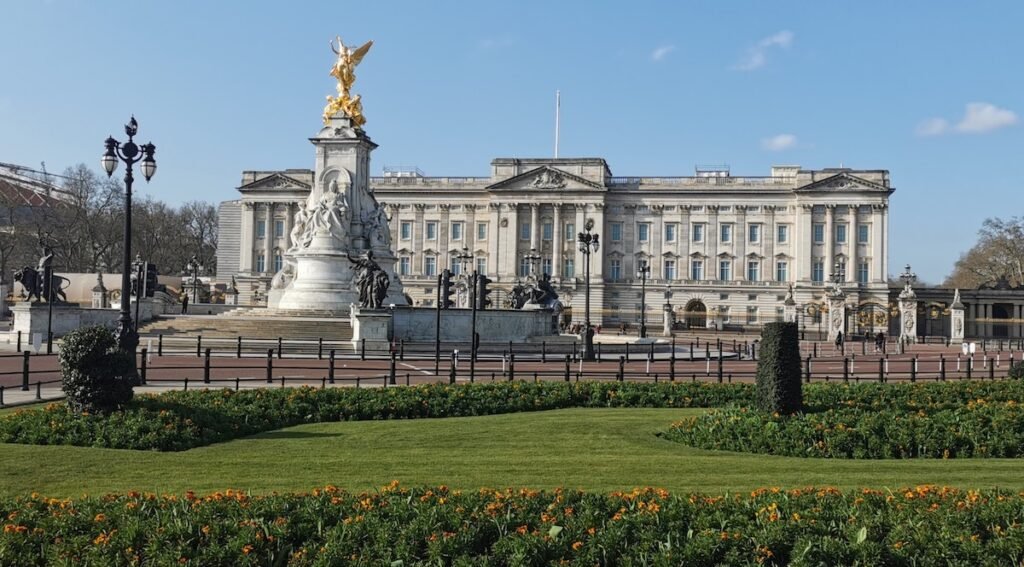
From Westminster, walk through St James’s Park towards Buckingham Palace. The park makes this journey much more enjoyable than simply taking transport from one attraction to another.
If seeing the Changing of the Guard is important to you, check the official schedule before arranging your morning.
Follow the Thames Towards the Tower of London
One of the easiest ways to experience London is to let the River Thames guide your route. From Westminster, the river leads naturally towards South Bank, London Bridge, the Tower of London and Tower Bridge. This riverside route also works particularly well as part of a three-day London itinerary.
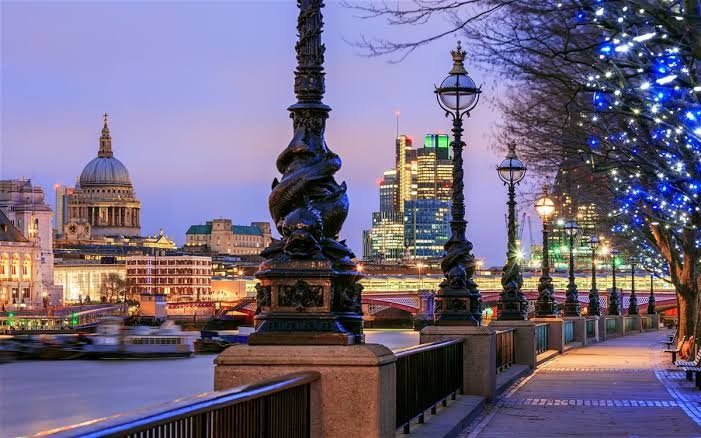
South Bank
South Bank is ideal when you want a break from traditional sightseeing. The riverside path is lined with restaurants, cultural attractions, street performers and views across the Thames.
It is also a convenient place to stop for lunch before continuing towards the eastern side of central London.
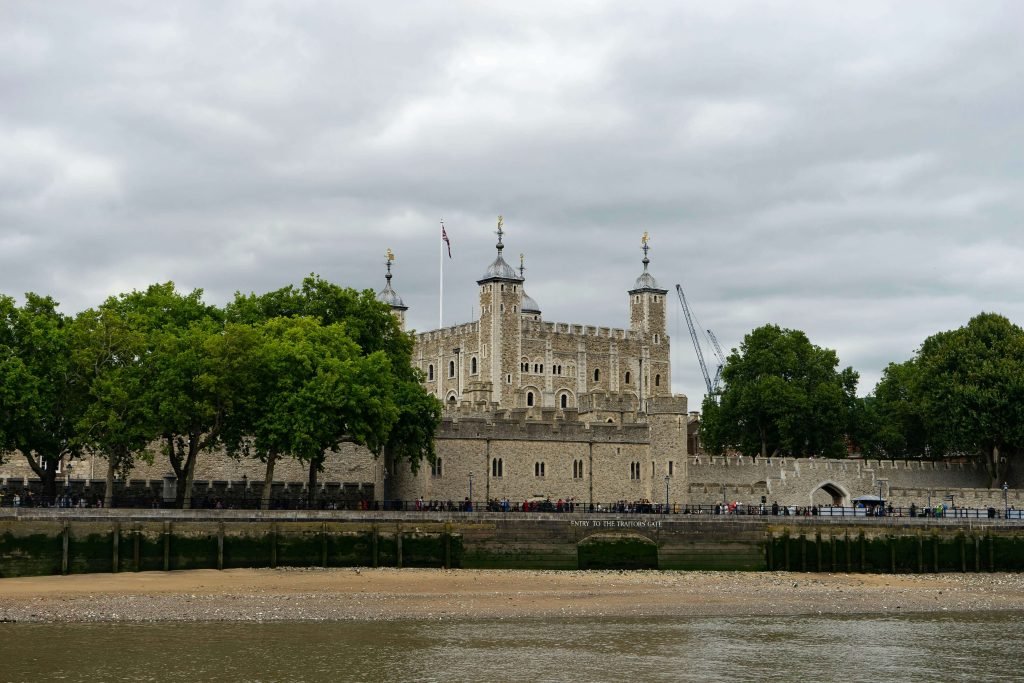
Tower of London
The Tower of London offers a very different experience from Westminster. Its fortress walls and long history make it one of the most interesting historic attractions in the city.
Allow several hours if you want to explore properly rather than simply photograph the exterior.
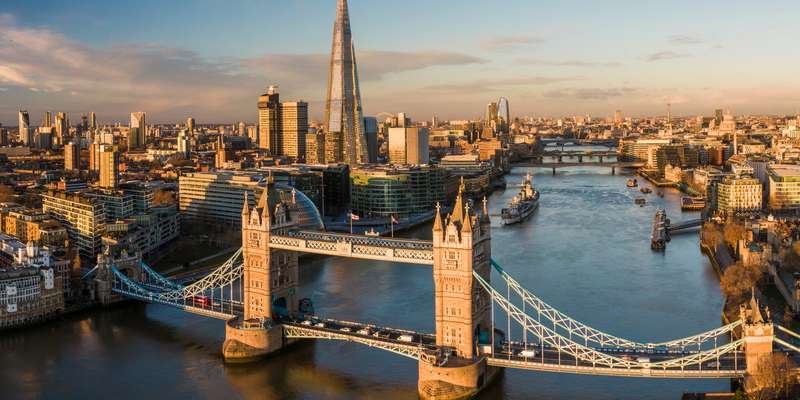
Tower Bridge
Tower Bridge is only a short walk from the Tower of London, making the two sights easy to combine. Even if you do not go inside, walking across the bridge provides one of the classic London views.
Choose One Great London Museum
You could spend an entire week visiting London’s museums, so trying to see all of them during a short trip usually makes the experience less enjoyable. Pick one that matches your interests and give yourself enough time to explore.
British Museum
The British Museum is a strong choice for travellers interested in world history, archaeology and ancient civilisations. It is also an excellent rainy-day option.
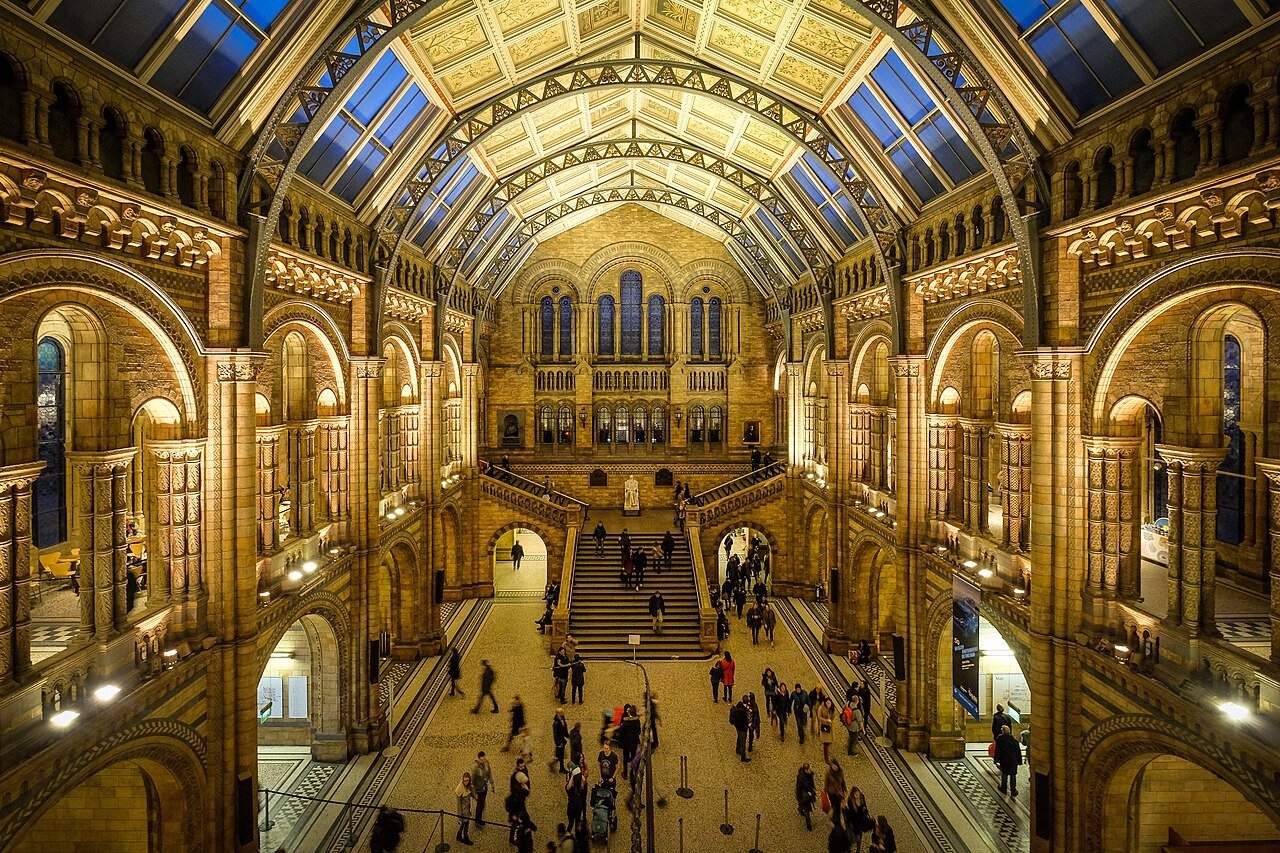
Natural History Museum
The Natural History Museum is especially popular with families, although its architecture and collections make it worthwhile for adults too.
Victoria and Albert Museum
The V&A is a better match if your interests lean towards art, design, fashion and decorative objects. Its South Kensington location also makes it easy to combine with the Natural History Museum.
Explore London Beyond the Famous Landmarks
Some of the best things to do in London are not individual attractions. They are the neighbourhoods where you can wander without a strict schedule and experience the city between the major sights.
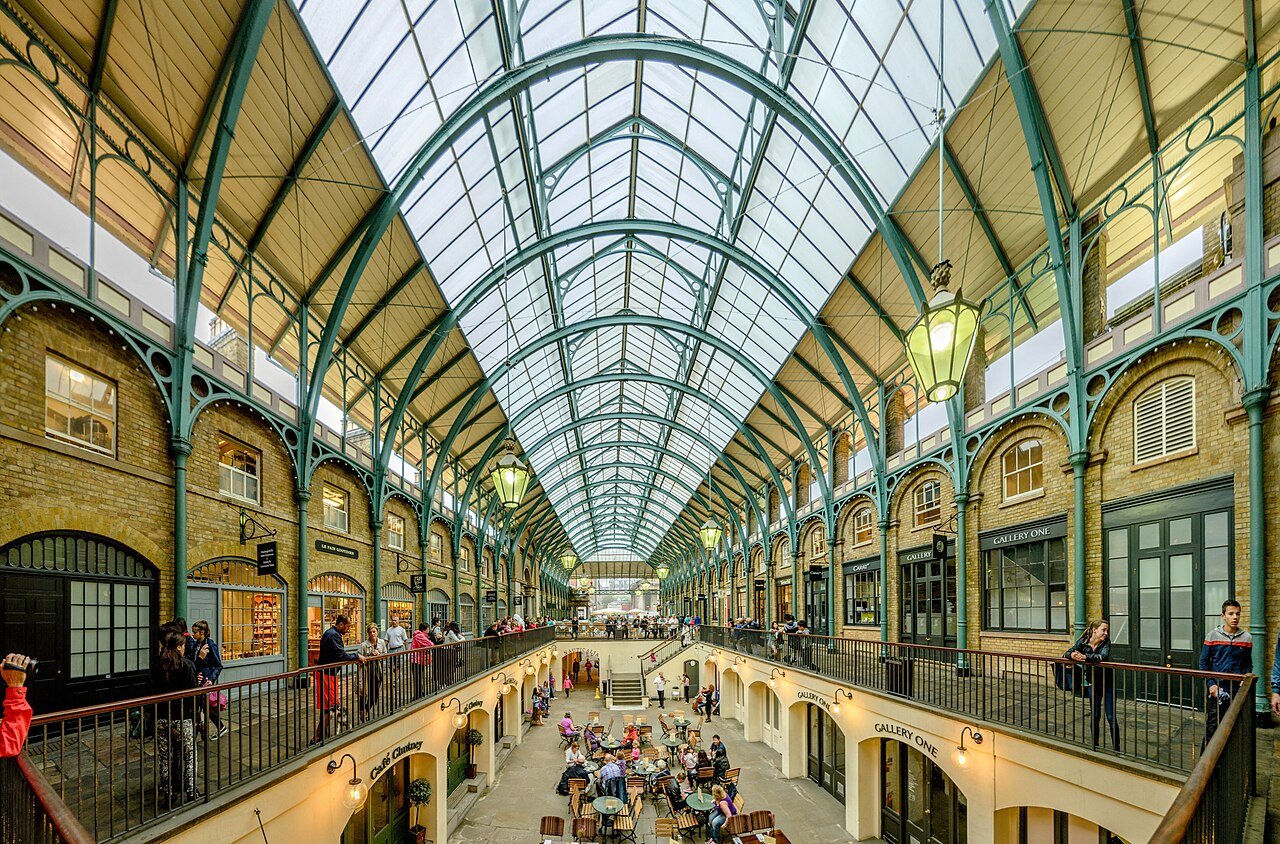
Covent Garden
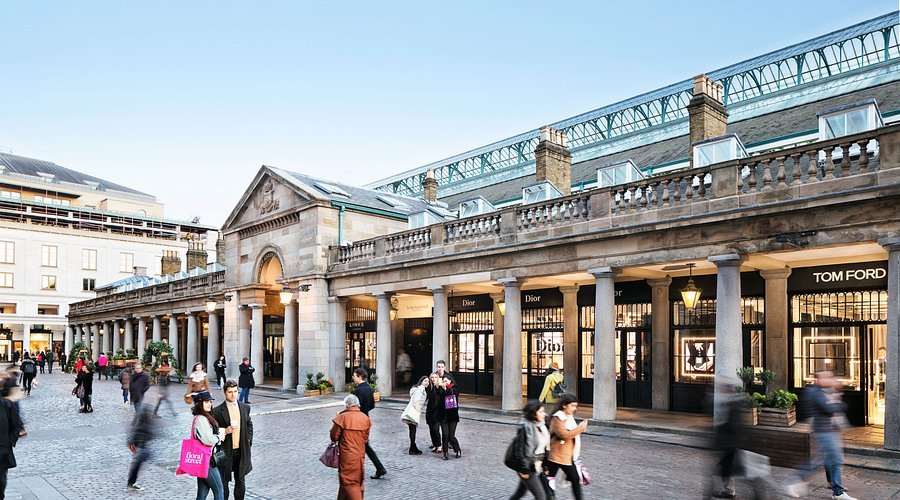
Covent Garden is lively, central and easy to combine with the West End. Browse the market, watch street performers and wander towards Seven Dials and the surrounding streets.
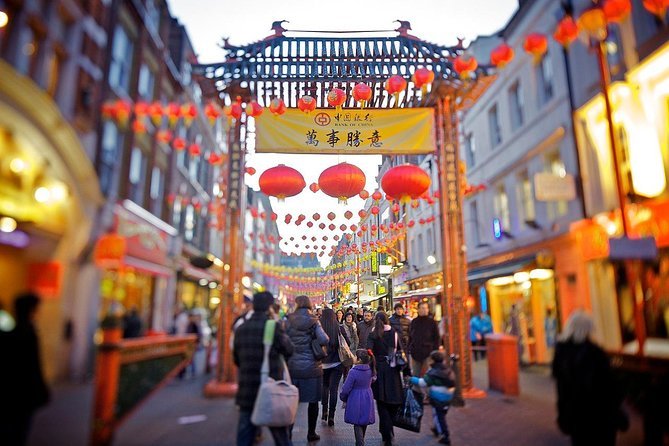
Soho and Chinatown
Soho is one of London’s most enjoyable areas for restaurants, independent shops and evening atmosphere. Chinatown sits next door, making the two easy to explore together.
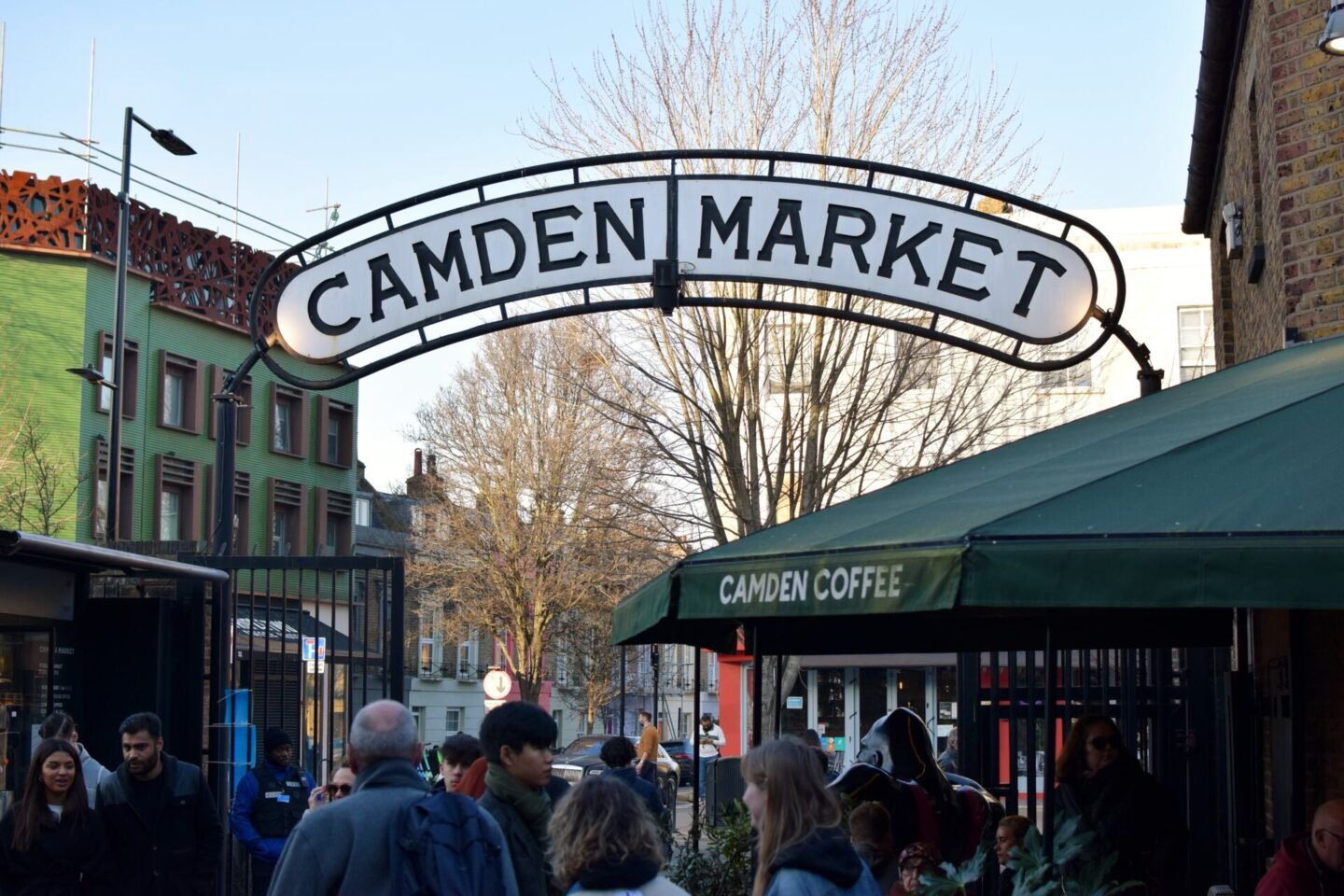
Camden
Camden has a completely different personality from Westminster and central London. Explore the market, browse its shops and consider continuing along Regent’s Canal.
Notting Hill
Notting Hill is a good choice when you want colourful streets, independent shops and neighbourhood cafés. Portobello Road is the main draw, but the surrounding residential streets are worth exploring too.
Make Food Part of Your London Experience
London’s food scene is one of the easiest ways to experience the city’s international character. Instead of treating meals as interruptions to sightseeing, make them part of your route.
Borough Market
Borough Market works particularly well with a South Bank or London Bridge day. It offers plenty of options for a quick lunch or a chance to sample several different foods.
Camden Market
Camden is another convenient place for casual food. Combine lunch here with the market, nearby shops or a walk beside the canal.
Chinatown
Chinatown is especially enjoyable in the evening and is only a short walk from Soho, Leicester Square and the West End.
Slow Down in Hyde Park and Kensington
London sightseeing can become tiring surprisingly quickly. After a couple of days of museums, stations and busy streets, spending some time in a park can completely change the pace of your trip.
Hyde Park is easy to reach from central London. Walk around the Serpentine, continue towards Kensington Gardens or simply find somewhere quiet to sit.
It is particularly useful for families and travellers staying several days who want some breathing room between major attractions.
Experience London After Dark
London changes character in the evening. A simple walk through Covent Garden, Soho, Leicester Square and the South Bank can be enough to experience the city after the daytime crowds begin to thin.
If you enjoy theatre, this is also the perfect opportunity to experience London’s West End. Shows range from long-running musicals to major plays and new productions.
Staying Longer? Add a Day Trip
London deserves several days by itself, but if you have four or five days available, adding a day trip can give your UK holiday a different perspective. If you are building a wider UK journey, you can also compare this with our 7-day UK itinerary.
Windsor
Windsor is a natural choice for travellers interested in royal history, historic buildings and traditional English scenery.
Oxford
Oxford is ideal if you enjoy historic architecture, university towns and literary connections.
Bath
Bath takes longer to reach but offers Roman history, Georgian architecture and an atmosphere very different from London.
For more ideas, see our guide to the best day trips from London .
How Many Days Should You Spend in London?
There is no single perfect length for a London trip. The more time you have, the easier it becomes to balance famous attractions with neighbourhoods, food and slower experiences.
- 2 days: Focus on Westminster, the Thames, Tower of London and Covent Garden. Our 2 Days in London itinerary is designed around this shorter first visit.
- 3 days: Add a major museum, Borough Market, Hyde Park and more neighbourhood exploring. See our 3 Days in London itinerary for a fuller route.
- 4–5 days: Explore at a slower pace and consider adding a day trip.
- 7 days: Use London as part of a wider UK itinerary and add several day trips or another UK destination.
Choose the Right Area to Stay
Where you stay can make a noticeable difference to your first London trip. You do not need to stay beside every attraction, but being close to a Tube station can save a surprising amount of time.
Westminster
Excellent for first-time visitors who want easy access to major landmarks and central London.
Covent Garden
A good choice if restaurants, theatre and evening atmosphere are important.
South Bank
Ideal if you enjoy riverside walks and want easy access to attractions along the Thames.
For a detailed comparison of London’s neighbourhoods and accommodation options, see our guide to where to stay in London .
Getting Around London
London’s public transport network makes sightseeing relatively straightforward. The Tube is usually the fastest option for longer journeys, while buses can be more enjoyable when you want to see the city as you travel.
Walking is an important part of the London experience too. Westminster, St James’s, Covent Garden, Soho and South Bank are particularly rewarding when explored on foot.
If you are travelling beyond London, our UK train travel guide explains how train travel works for international visitors. If you are comparing trains with buses, coaches and driving, our guide to how to travel around the UK covers the main options.
London Tips for First-Time Visitors
- Do not try to visit every major attraction in one day.
- Group sights by neighbourhood instead of crossing London repeatedly.
- Wear comfortable shoes because you will probably walk more than expected.
- Leave some flexibility for rain and changing weather.
- Book major attractions in advance when timed entry is available.
- Use public transport for longer journeys and walk shorter routes.
- Leave time for cafés, markets, parks and neighbourhoods rather than filling every hour with attractions.
A Simple 3-Day London Itinerary
If this is your first visit and you want a straightforward starting point, this three-day structure brings together many of London’s major experiences without trying to fit everything into the schedule.
Westminster, Big Ben, Westminster Abbey, Buckingham Palace, St James’s Park and Covent Garden.
British Museum or another major museum, Soho, Chinatown, Borough Market and an evening in the West End.
Tower of London, Tower Bridge, South Bank and an afternoon exploring Camden or Notting Hill.
For the complete version with suggested timings and routes, see our 3 Days in London itinerary .
Final Thoughts
The best things to do in London are not necessarily the attractions you can tick off the fastest. A great first trip usually combines a few major landmarks with time spent walking, eating, exploring neighbourhoods and simply watching the city go by.
Start with Westminster, follow the Thames, choose one museum, explore a market or neighbourhood and leave enough breathing room between attractions. London rewards travellers who slow down as much as those who want to see everything.
If you are planning a wider UK trip, you can build London into your journey with our 7-day UK itinerary , or use London as your base for exploring more of England. For a shorter London break, you can also start with our 2 Days in London guide .
Frequently Asked Questions
What are the best things to do in London for first-time visitors?
The best things to do include visiting Big Ben, Westminster Abbey, the Tower of London and Buckingham Palace, exploring the British Museum, walking along the Thames, visiting Covent Garden and experiencing London’s markets and neighborhoods.
How many days do you need in London for the first time?
Three to five days is a good amount of time for a first London trip. Two days is enough for major highlights, while five or more days allows you to explore neighborhoods and take day trips.
What should I not miss in London?
For a first visit, don’t miss Big Ben and Westminster, the Tower of London, Buckingham Palace, the British Museum, the South Bank, Tower Bridge and at least one Thames-related experience.
What can you do for free in London?
Many London museums offer free general admission. Other free activities include walking along the South Bank, visiting parks, seeing Trafalgar Square, walking across Millennium Bridge and exploring neighborhoods such as Notting Hill.
Is London expensive for tourists?
London can be expensive, particularly for accommodation, restaurants and paid attractions. However, visitors can reduce costs by using free museums, walking between attractions, using public transport and booking attractions strategically.
What is the best area to stay in London for first-time visitors?
Westminster, Covent Garden, South Bank, Kensington and Soho are popular choices. The best area depends on your budget, interests and how much sightseeing you plan to do.
Where to Stay in London: Best Areas for First-Time Visitors
Should I buy London attraction tickets in advance?
For popular attractions and tours, booking ahead can be useful, particularly during busy travel periods. Always check the current ticketing arrangements and cancellation policies before booking.
Is London easy to explore without a car?
Yes. London is generally much easier to explore without a car. The Underground, buses, trains and walking routes make it possible to reach most major tourist attractions without driving.
What is the best month to visit London?
There isn’t one universally best month. Late spring and early autumn can provide a good balance of sightseeing weather and visitor demand, while summer offers longer daylight hours.
Can I visit London on a budget?
Yes. Choose accommodation near good transport connections, use free museums, walk between attractions and prioritize only the paid experiences that matter most to you.