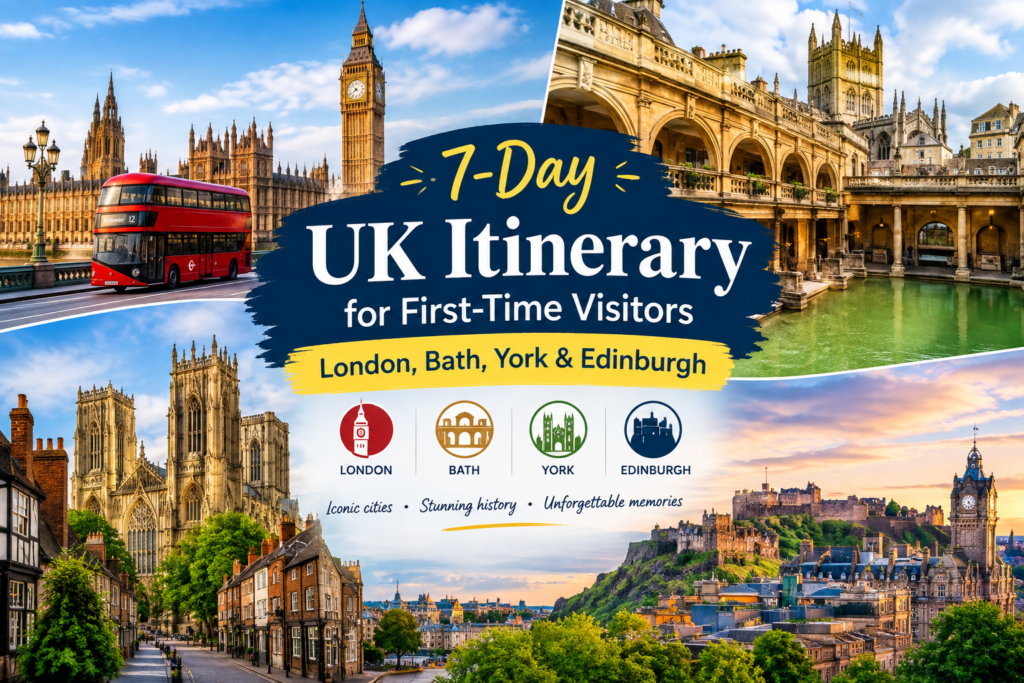
2-Day Ultimate London Itinerary
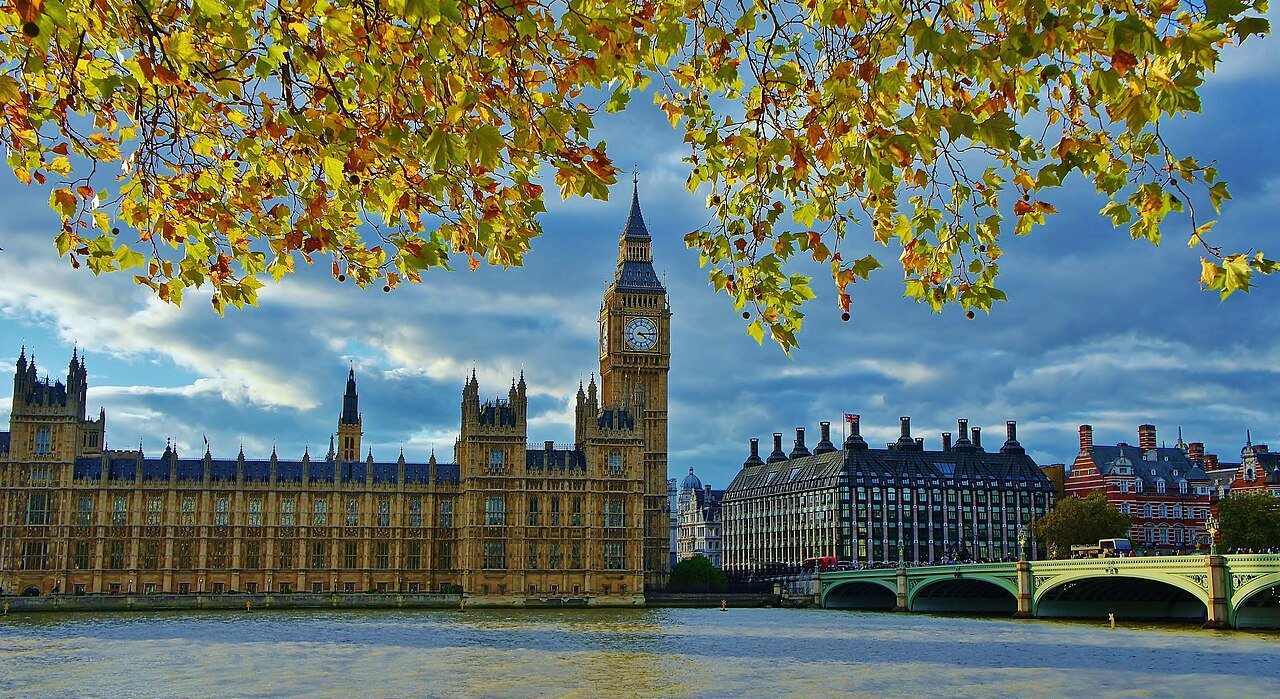
If you’re visiting London for the first time and only have 48 hours, planning your itinerary carefully makes all the difference. While London is enormous, many of its most iconic landmarks are clustered conveniently in central London.
This practical route groups nearby sights together so you spend maximum time exploring and minimal time travelling across the city.
Quick Overview: The 2-Day Route
- Westminster
- Buckingham Palace
- St James’s Park
- Trafalgar Square
- Covent Garden
- Soho / West End
- Tower of London
- Tower Bridge
- Borough Market
- St Paul’s Cathedral
- Millennium Bridge
- South Bank
- London Eye
What This Route Covers
2-Day London Itinerary at a Glance
| Time | Day 1 | Day 2 |
|---|---|---|
| 8:00 AM | Breakfast | Breakfast |
| 9:00 AM | Westminster & Big Ben | Tower of London |
| 10:00 AM | Westminster Abbey | Tower Bridge |
| 11:30 AM | Buckingham Palace | St Katharine Docks |
| 12:30 PM | St James’s Park | Lunch |
| 1:30 PM | Lunch | Borough Market |
| 2:30 PM | Trafalgar Square | St Paul’s Cathedral |
| 3:30 PM | Covent Garden | Millennium Bridge |
| 5:00 PM | Soho / Leicester Square | South Bank |
| 7:00 PM | West End dinner | London Eye |
| 8:00 PM | West End show / Soho | Dinner & riverside walk |
Before You Start: How to Make 2 Days in London Work
To maximize your time, this itinerary uses geographical clusters. This approach lets you walk between many key attractions while keeping Tube journeys brief and practical.
Geographical Focus Areas
Westminster, Buckingham Palace & London’s West End
Start With Breakfast
Start early. If you’re staying centrally, aim to have breakfast around 8:00 AM so you can begin sightseeing by 9:00 AM. If you haven’t chosen a base yet, our guide to where to stay in London can help you pick an area that keeps this itinerary practical. You don’t need a huge breakfast because you’ll have plenty of opportunities to eat throughout the day.
Good Breakfast Areas
Westminster & Big Ben
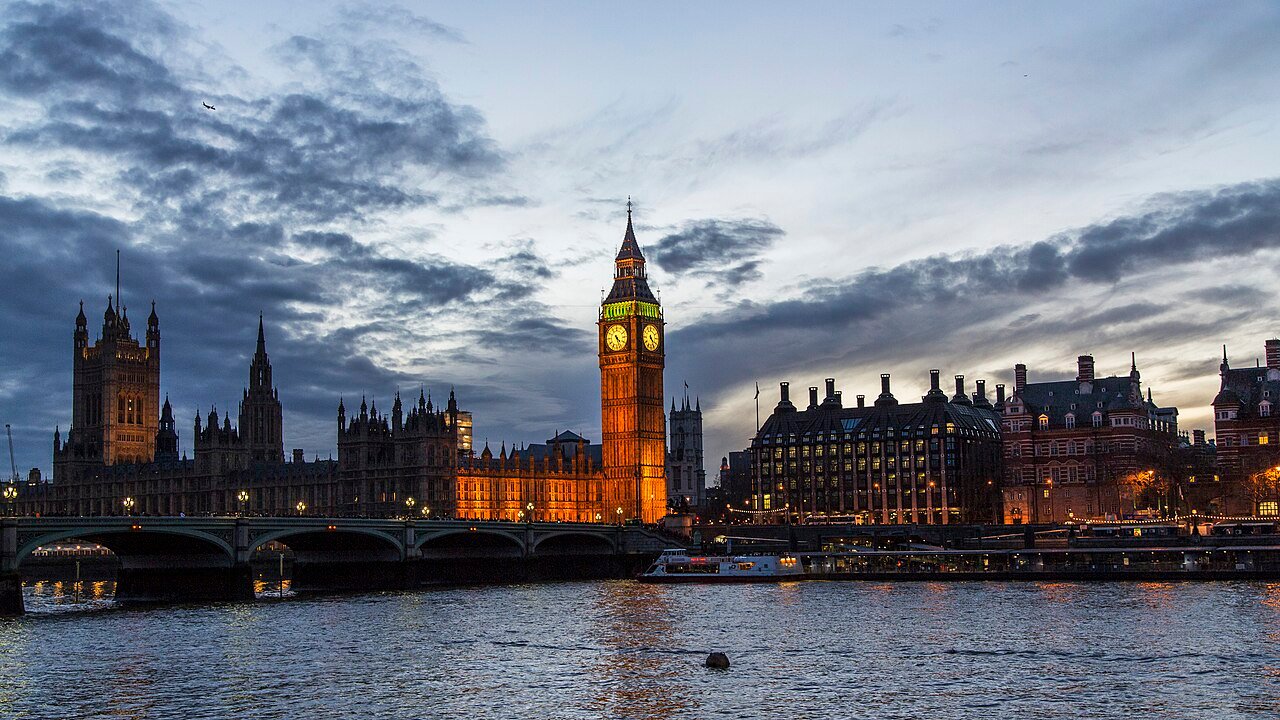
Start your first day around Westminster. This is one of the best areas in London for a first-time visitor because several famous landmarks are close together. If you want to add more attractions beyond this itinerary, see our guide to the best things to do in London.
Key Sights
- Big Ben
- Houses of Parliament
- Westminster Bridge
- River Thames
- Westminster Abbey
Spend some time walking around the area rather than simply taking photographs and leaving.
Visit Westminster Abbey
If you’re interested in British history, Westminster Abbey is one of the most worthwhile attractions to visit during a short trip. The abbey has played an important role in British royal and political history for centuries. Allow approximately 1–1.5 hours inside.
Should you go inside?
Yes, if: You enjoy history, want to see historic royal sites, or this is your first London trip.
Skip it if: You prefer seeing more outdoor sights or want a more relaxed itinerary.
Buckingham Palace
Walk from Westminster Abbey towards Buckingham Palace through the heart of royal London and St James’s Park.
Palace Grounds Highlights
- The Palace Exterior
- Victoria Memorial
- The Mall
- St James’s Park
If the Changing of the Guard is taking place, you can watch it, but avoid building your entire schedule around it unless you’ve confirmed the current schedule.
Walk Through St James’s Park
Enjoy a scenic break walking through St James’s Park—one of central London’s most attractive green spaces—as you head towards Trafalgar Square.
Lunch
Head towards Covent Garden for lunch to keep moving along your route seamlessly.
Cuisine Options
Trafalgar Square
Explore Trafalgar Square and view Nelson’s Column, the famous fountains, and views leading down towards Whitehall.
Optional – National Gallery: If you enjoy art, head inside. If not, feel free to skip it—with only two days, prioritize what you genuinely care about.
Covent Garden
Explore Covent Garden Market, Neal Street, Seven Dials, and Long Acre on foot. Enjoy the shops, cafés, street performers, and vibrant atmosphere.
Leicester Square & Soho
Walk through Leicester Square, Piccadilly Circus, Chinatown, and Soho. Head to Regent Street/Oxford Street for shopping, or explore Chinatown for food.
Dinner
- Soho: Great for bustling restaurants, bars, and nightlife.
- Chinatown: Ideal for Asian food and a vibrant evening atmosphere.
- Covent Garden: A relaxed option prior to a theatre show.
Experience London’s West End
Catching a West End show is one of London’s signature evening activities. Check the current schedule in advance to book popular productions. For more ideas if you have extra time, browse our guide to the best things to do in London.
Alternative Evening Options
Tower of London, Tower Bridge & South Bank
Day 2 takes you east through some of London’s oldest and most recognisable landmarks before following the Thames back towards central London.
Breakfast
Start early again. Try to reach the Tower of London area around 9:00 AM. This is particularly useful if the Tower of London is one of your priority attractions.
Tower of London
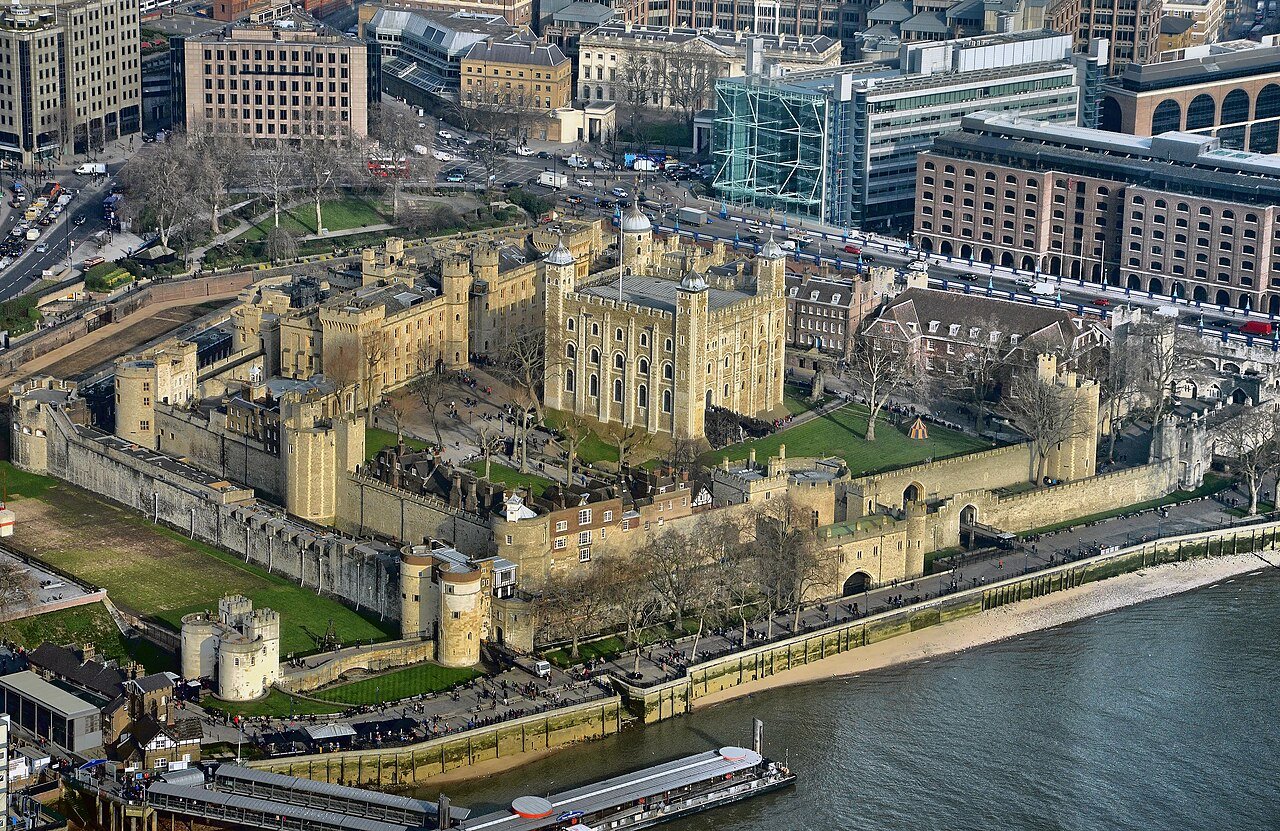
Start your second day at this historic fortress—one of London’s most important attractions. If you’re deciding which sights deserve your limited time, our guide to the best things to do in London can help you compare other options.
Inside Highlights
- Historic towers
- Medieval architecture
- Royal history
- The Crown Jewels exhibition
- The famous ravens
Should you visit? Strong yes for first-time visitors interested in British history. If history isn’t your priority, spend less time here and move along the river.
Tower Bridge
Walk towards iconic Tower Bridge. You can cross the bridge, take photos from the Thames embankment, visit the exhibition, or stroll along the river.
St Katharine Docks
A short walk from Tower Bridge, St Katharine Docks is a quiet, picturesque marina providing a relaxed contrast to the busy main streets. Spend 20–30 minutes here taking in the scenery.
Lunch Around Borough Market
Head to Borough Market, one of London’s premier food destinations.
Food Offerings
Walk Along the Thames
Walk west along the South Bank towards central London without needing to rush. Enjoy viewlines featuring:
St Paul’s Cathedral
Cross the pedestrianized Millennium Bridge for a classic skyline view looking up at St Paul’s Cathedral. If exploring inside, allow roughly 1–1.5 hours.
Millennium Bridge & Tate Modern
Return to the South Bank side. Art lovers can stop into the Tate Modern for world-class modern and contemporary art.
South Bank
Continue along the Thames towards the London Eye. Use this late afternoon window to relax, grab a coffee, watch river traffic, and enjoy the street performances.
London Eye
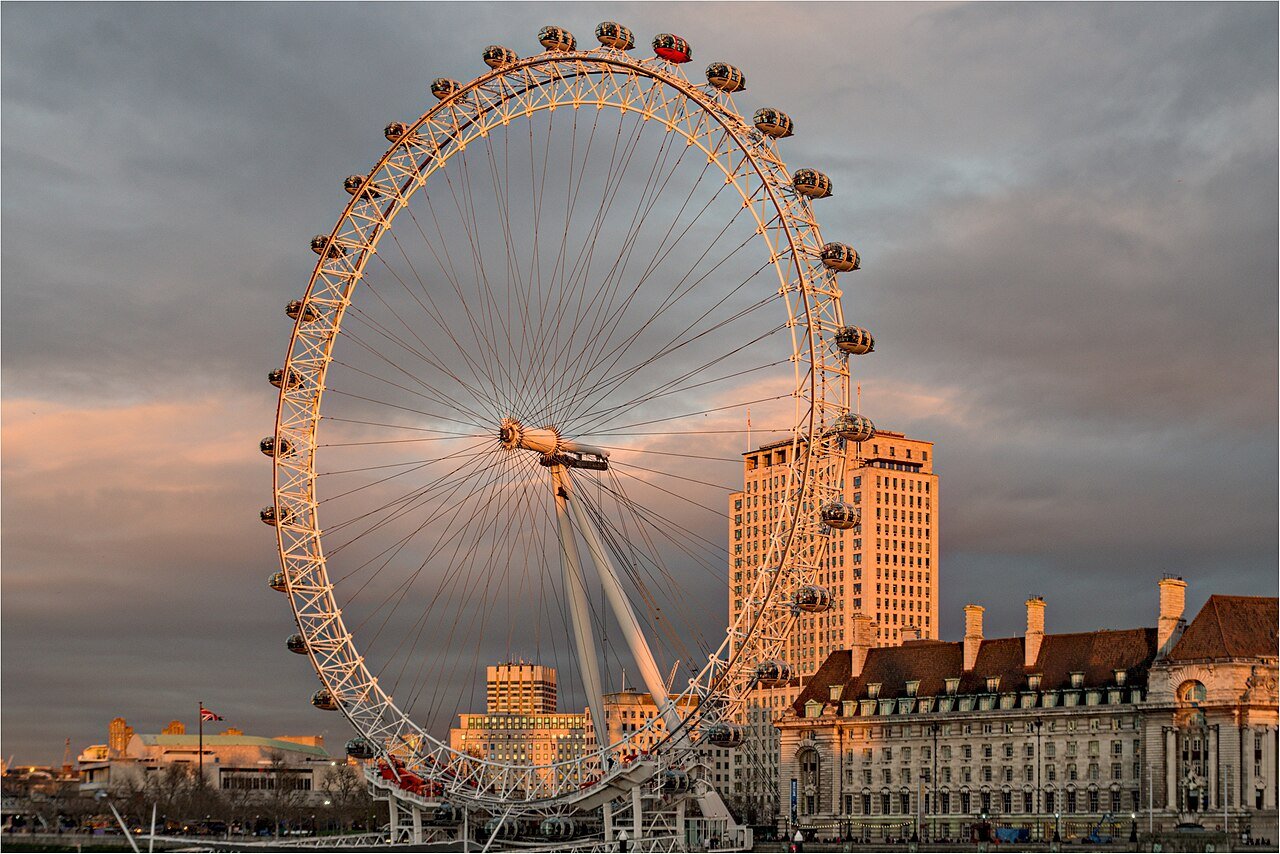
Finish your daytime sightseeing with elevated views across central London. Late afternoon or sunset slots offer great lighting and scenic perspectives.
Dinner
- South Bank: Convenient for dining near the river.
- Covent Garden: Great dining options and atmosphere.
- Soho: Ideal if looking for evening nightlife.
- Chinatown: Fantastic for broad, quick Asian dining options.
London at Night
Finish your trip with a night walk along the river. Top evening spots include the illuminated London Eye, Westminster Bridge, Big Ben, Tower Bridge, and South Bank. If you have another day, you can use our 3-day London itinerary to slow the pace and add more of the city.
The Best 2-Day London Route
Here’s the complete route in simple form.
What Should You Book in Advance?
You don’t need to pre-book everything in London. But for a two-day trip, booking priority experiences in advance ensures you don’t miss out on essential sights.
- Westminster Abbey
- Tower of London
- London Eye
- West End theatre
- Popular tours
- Special experiences
- Hotel accommodation
- Walking around Westminster
- Buckingham Palace exterior
- St James’s Park
- Trafalgar Square
- Covent Garden
- Soho
- Leicester Square
- Tower Bridge exterior
- Millennium Bridge
- South Bank
Contactless or Oyster Card?
For many visitors, contactless payment is the most convenient option. Transport for London provides current information on both contactless and Oyster payment options across the transit network.
💳 Contactless Bank Card
If you have a suitable card or device (Apple Pay/Google Pay), you can tap directly at the turnstiles across London’s transit network.
🔵 Oyster Card
If you don’t have a suitable contactless card or want to keep travel spending separate, a reusable Oyster card is ideal.
Do You Need the London Pass?
This is a common question for first-time visitors. The answer depends entirely on how many paid attractions you plan to visit.
When a pass is worth it
If you plan to visit several paid, high-ticket attractions within a short window, a sightseeing pass can yield substantial savings.
When individual tickets make sense
If you’re mainly interested in walking around London and visiting only one or two paid attractions, buying individual tickets is cheaper.
Where Should You Stay for 2 Days in London?
Location matters enormously when you only have two days. You don’t necessarily need the most luxurious hotel, but you do need a convenient location close to public transport.
Westminster
- Close to Big Ben
- Westminster Abbey
- Buckingham Palace
- St James’s Park
- Excellent transport
Covent Garden
- Highly walkable
- Close to West End
- Abundant restaurants
- Shopping
- Theatre venues
South Bank
- London Eye
- River Thames views
- Borough Market nearby
- Walkable to central attractions
London Bridge
- Tower Bridge
- Borough Market
- The Shard
- Good transport connections
King’s Cross
- Convenient for rail arrivals/departures
- Hub for regional connections
Find Hotels in London
Search and compare accommodation options in top central London neighborhoods.
How Much Does 2 Days in London Cost?
London has a reputation for being expensive, but your actual total spend depends on your accommodation choice and attraction preferences. Below is a realistic cost breakdown per person for a 2-day itinerary.
Estimated 2-Day Costs Per Person
| Expense Category | Budget Tier | Mid-Range Tier | Luxury Tier |
|---|---|---|---|
| Accommodation (2 Nights) | £60 – £100 | £200 – £350 | £600+ |
| Food & Drinks | £40 – £60 | £90 – £150 | £250+ |
| Local Transport (TfL Capped) | £17 – £20 | £17 – £25 | £60+ (Taxis/Uber) |
| Attractions & Tickets | £0 – £35 | £60 – £110 | £150+ |
| Shopping & Extras | Optional (£10–£20) | Optional (£30–£80) | Optional (£150+) |
| Estimated Total | £117 – £215 | £367 – £715 | £1,210+ |
Budget Travel
- Hostel dorms or budget chain hotels outside central London
- Supermarket meal deals, street food, and classic pub lunches
- Focus on free attractions (museums, parks, outdoor sights)
- Standard daily Tube and walking routes
Mid-Range Travel
- 3-star or 4-star central hotel (Westminster, London Bridge)
- Mix of casual dining, sit-down dinners, and cafes
- 2 to 3 paid entry tickets (Tower of London, London Eye)
- Pay-as-you-go Tube/Bus capping
Luxury Travel
- 5-star boutique or luxury hotel in Mayfair or Covent Garden
- Fine dining, West End dinner packages, and high tea
- VIP ticket access, West End theater seats, private tours
- Black cabs and private transfers
The 5 Main Expense Drivers
How to Save Money on a 2-Day London Trip
Strategic tips to maximize your budget without compromising on iconic London sights and experiences.
Stay Near Public Transport
A cheaper hotel that requires long journeys every day may not actually save you money or time. Prioritize proximity to a Zone 1 or 2 Tube station to minimize transit fares and travel downtime.
Note: Contactless Tube fares in Zones 1–2 hit a daily cap of £8.90, after which all extra journeys on that day are free.
Mix Free and Paid Attractions
Some of London’s best experiences cost nothing. You can experience iconic city landmarks without paying an admission fee:
Don’t Visit Every Paid Attraction
Pick two or three major paid attractions across your trip rather than buying tickets for everything you pass. Trying to enter too many sights leads to ticket burnout and unnecessary expense.
Eat One Meal from a Market
Markets offer incredible food variety at lower prices than sitting down for three full restaurant meals daily. Pick up fresh, high-quality street food for lunch while exploring.
Recommendation: Borough Market is a seamless food stop along the Thames for Day 2.
Walk Between Nearby Sights
London’s central district is remarkably walkable when planned in sequence. Walking between sights like Westminster Abbey, Big Ben, and Buckingham Palace saves tube fares and reveals hidden architecture along the way.
London Food You Should Try
Your two-day itinerary should include at least a few classic British culinary staples to complete your trip experience.
Fish and Chips
A classic UK meal featuring crispy battered white fish alongside chunky chips, traditionally served with salt, vinegar, and mushy peas.
Full English Breakfast
A hearty plate featuring eggs, bacon, sausages, baked beans, grilled tomatoes, mushrooms, toast, and black pudding to fuel your morning walking.
Sunday Roast
If visiting on a Sunday, try this traditional meal of roasted meat, crispy potatoes, Yorkshire pudding, seasonal vegetables, and rich gravy.
Afternoon Tea
A memorable experience featuring finger sandwiches, warm scones with clotted cream and jam, sweet pastries, and loose-leaf tea.
British Pub Food
Visit a neighborhood pub for relaxed meals like steak and ale pie, bangers and mash, or sticky toffee pudding in an authentic setting.
Should You Take a Thames River Cruise?
A Thames cruise is a great alternative if you prefer to see London’s skyline from the water rather than spending your entire day walking.
- You enjoy sightseeing cruises
- You want a slower-paced experience
- You have already seen some main attractions
- You want a relaxing break from walking
- This is your first visit and you want to maximize walking sightseeing
- You already have a tightly packed schedule
- You are traveling on a strict budget
What If It Rains?
Welcome to London! Rain shouldn’t ruin your trip—keep this backup list of world-class indoor attractions ready so you can seamlessly adjust your schedule based on the weather.
What If You Have Kids?
The standard fast-paced route can be exhausting for younger children. Swap out complex historical sites for more interactive and engaging family experiences.
Visit London’s current guidance highlights family attractions and the Warner Bros. Studio Tour among top options for families visiting the city.
What If You’re Travelling as a Couple?
For couples, slow down the pace to enjoy atmospheric street walks, relaxed dining, and romantic evening views.
Day 1
Day 2
What If You’re on a Tight Budget?
You can still experience a fantastic two days in London by focusing heavily on world-class outdoor sights and architectural walks.
Day 1
Day 2
Common Mistakes to Avoid on a 2-Day London Trip
With only 48 hours in London, avoiding travel bottlenecks and over-scheduling is essential for a memorable experience.
Should You Rent a Car in London?
✕ Not RecommendedA car is completely unnecessary for central London sightseeing. Due to heavy traffic, congestion charges, and high parking rates, London’s extensive public transport network and walkable central streets are far more practical for this 2-day itinerary.
Renting a car makes sense if you are extending your UK journey beyond London into rural regions, such as:
How to Get to London
London is served by several major international airports. Your best choice depends on your departure point, accommodation location, and onward transit preferences.
Heathrow (LHR)
The primary hub for international long-haul flights. Offers direct connections via the Elizabeth Line, Piccadilly Line, and Heathrow Express.
Gatwick (LGW)
A major international hub south of London, offering direct rail connections into London Victoria and London Bridge.
Stansted (STN)
Commonly used by low-cost European carriers. Connected to central London via express trains to Liverpool Street.
Luton (LTN)
Key airport for budget regional carriers, with shuttle connection services to Luton Airport Parkway station.
London City (LCY)
Located directly in the Docklands, making it exceptionally convenient for central London and business district stays.
Find Flights to London
London Travel Checklist
Ensure you’ve finalized these essentials before departure:
Is 2 Days Enough for London?
Two days is enough to see many of London’s major highlights, but not enough to see everything. That’s why this itinerary focuses explicitly on the core experiences most first-time visitors prioritize. If you have more time, our 3-day London itinerary adds breathing room rather than simply packing in more sights.
Can You Do London in a Weekend?
Yes. A weekend is a great amount of time for a first introduction to London. The key is arriving early on your first day and avoiding attractions spread too far across the city.
Saturday
Westminster → Buckingham Palace → West End
Sunday
Tower of London → Tower Bridge → South Bank
Is 2 Days in London Enough?
Yes — if you plan your route carefully. The itinerary works best when you group nearby sights together and use public transport only when it saves meaningful time. For journeys beyond London, see our guide to UK train travel for tourists.
For a first-time visitor, prioritize classic London experiences rather than trying to visit every museum and attraction. Spend your first day exploring Westminster, Buckingham Palace, Trafalgar Square, Covent Garden, and Soho. Dedicate your second day to the Tower of London, Tower Bridge, Borough Market, St Paul’s Cathedral, and the South Bank.
You won’t see everything London has to offer, but you’ll experience many of the city’s most iconic sights while still having time to enjoy its streets, food, and atmosphere.
The Golden Rule: Don’t turn your two-day London trip into a checklist. Leave time to stop for coffee, walk along the Thames, explore a neighborhood, and simply enjoy being in one of the world’s great cities.
Frequently Asked Questions
Is 2 days enough in London?
Yes. Two days is enough to see many of London’s major landmarks, especially if you group attractions by location and use public transport when necessary.
You won’t see everything, but you can experience major highlights including Westminster, Buckingham Palace, Tower Bridge, the Tower of London, St Paul’s Cathedral and the South Bank.
What should I not miss in London in 2 days?
For a first visit, prioritize:
Big Ben
Westminster
Buckingham Palace
Tower of London
Tower Bridge
St Paul’s Cathedral
Covent Garden
South Bank
London Eye
What is the best area to stay in London for two days?
Westminster, Covent Garden, South Bank and London Bridge are excellent choices for a first-time visitor because they provide convenient access to major attractions.
King’s Cross can also be useful if transport connections are a priority.
Is London expensive for a 2-day trip?
London can be expensive, particularly for accommodation and major attractions.
However, you can reduce costs by staying near public transport, mixing free and paid attractions, walking between nearby sights and choosing affordable food options.
Do I need a car in London?
No. For a two-day central London itinerary, a car is generally unnecessary.
Walking and public transport are much more practical.
What is the best way to get around London?
Use a combination of walking and public transport.
The Tube is useful for longer journeys, while walking is often the best way to explore central neighbourhoods.
TfL provides current information about London’s Tube, buses, trains, DLR, Elizabeth line and payment options.
Should I buy a London sightseeing pass?
It depends on how many paid attractions you plan to visit.
Calculate the individual attraction costs first and compare them with the pass price.
A pass can make sense for a packed sightseeing schedule but may not be worthwhile if you only visit one or two paid attractions.
Should I book London attractions in advance?
For popular attractions, booking ahead is sensible, especially when you only have two days.
This is particularly relevant for attractions with timed entry and popular West End shows. Visit London currently recommends booking popular attractions ahead to help guarantee entry.
What should I eat in London?
Try at least one traditional British dish such as fish and chips, a Sunday roast or a full English breakfast.
You should also explore London’s international food scene, particularly around Soho, Chinatown and the city’s markets.
What should I do in London at night?
For a first visit, consider:
West End theatre
Soho
Chinatown
South Bank
Thames evening walk
London Eye
Dinner cruise
Can I visit London without using the Tube?
Yes, particularly if you stay centrally.
However, the Tube can save considerable time when travelling between areas that are too far apart to walk comfortably.